
The way food is prepared, transported, displayed, and served has changed dramatically in recent years. From the rise of meal-prep companies and food-delivery platforms, to the expansion of ready-to-eat vegetable platters in grocery stores, food service trays now play a more strategic role than ever.
Restaurants, supermarkets, caterers, and even small retailers are redefining what they need from a tray: durability, hygiene, presentation value, leak resistance, and increasingly—sustainability.
This guide brings clarity to the full landscape. We’ll break down the major types of disposable food service trays, how different industries use them, what materials matter, and how to choose the right tray for your operation. Throughout, we’ll also highlight eco-friendly options that are reshaping modern food service.
Types of Food Service Trays
1. Plastic Trays
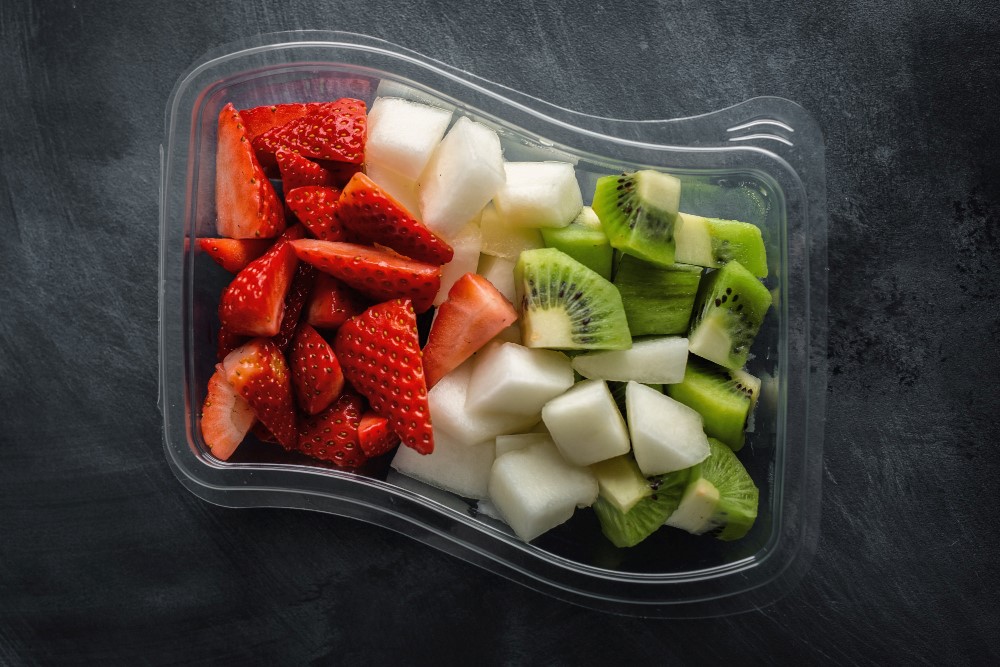
Plastic trays—primarily PET, PP, and polystyrene (PS)—remain widely used across ready-to-eat foods, sushi, chilled salads, and grab-and-go meals. Each resin behaves differently:
- PET offers excellent clarity for cold foods and retail merchandising. It is theoretically recyclable, but actual recycling rates vary greatly by region due to sorting constraints and contamination.
- PP is heat-tolerant and suitable for microwavable lids or hot-hold meals. However, mixed recycling results and regional inconsistencies limit its sustainability performance.
- PS, whether rigid or foam, delivers lightweight shock resistance but has some of the lowest real-world recycling rates. It also faces increasing bans across global markets.
Plastic trays still perform well in visibility and durability, but growing concerns around microplastics, food contamination, and low recycling recovery rates have accelerated the shift toward alternatives. Many brands are now exploring rPET content, mono-material PP lines, or certified compostable molded fiber to meet sustainability goals.
According to a McKinsey study, the majority of respondents claim to be willing to a pay more for sustainable packaging, pushing retailers and food brands to reduce plastic usage across major product lines.
2. Paperboard Trays
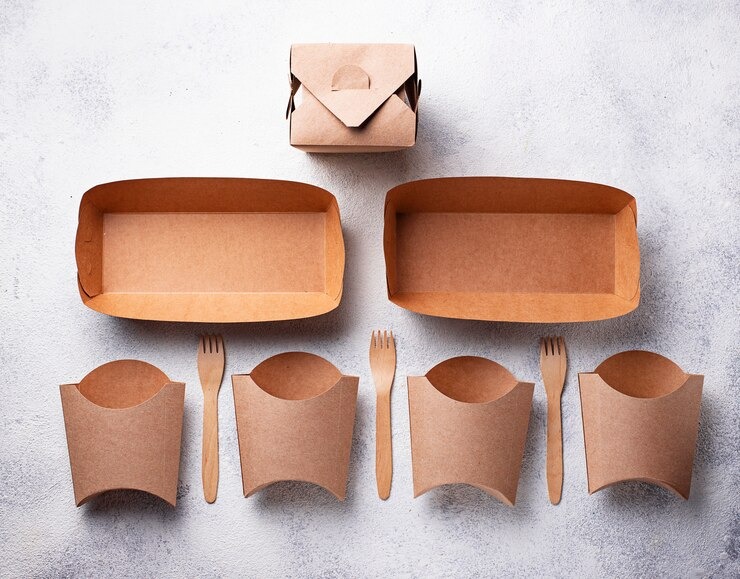
Paperboard trays—typically made from recycled fibre or FSC-certified kraft—are widely used for pastries, snacks, chips, wraps, and in-store tasting flights. When uncoated, they are generally recyclable and may even be compostable if kept clean.
These trays are lightweight, cost-effective, and easy to customize with branded printing, making them popular for quick-serve restaurants and bakery counters.
However, paperboard performs best with dry foods. Greasy curries, saucy dishes, or high-moisture items may cause soak-through. Where possible, opt for grease-resistant yet plastic-free barrier options to maintain recyclability. Keeping fibres free from food residue also improves the chance of successful recycling in real-world waste streams.
3. Molded Pulp Trays (Including Bagasse Food-Grade Trays)
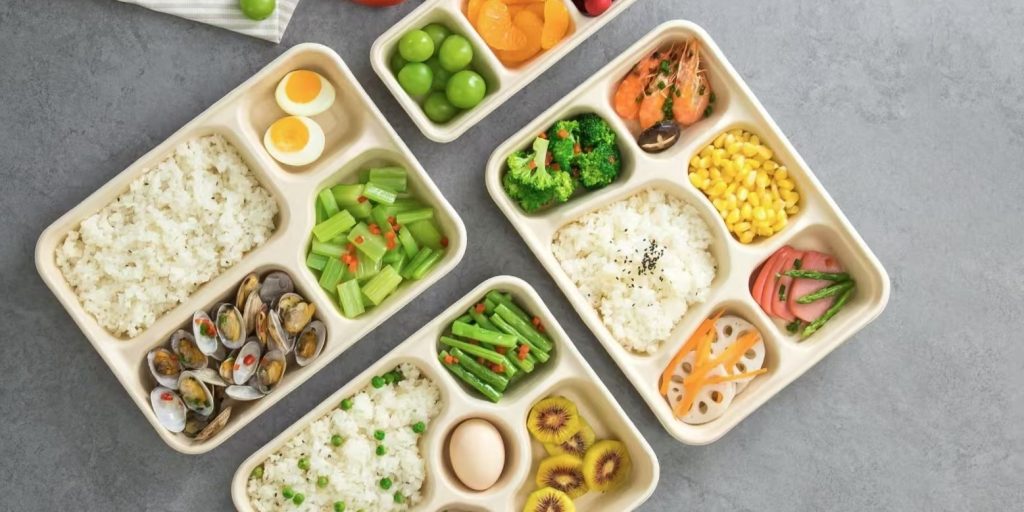
Molded pulp trays—especially those made from sugarcane bagasse—represent one of the fastest-growing segments in sustainable food packaging. Produced from waste sugarcane fiber, they convert an agricultural by-product into a functional, value-adding food service solution and help reduce landfill pressure.
Bagasse trays are sturdy and naturally suited for both hot and cold foods. They handle heat well, allow steam to release, and resist soak-through far better than paperboard. Compared with plastics, molded pulp avoids fossil-based inputs and offers a lower environmental footprint, though it does not provide the crystal clarity required for certain retail displays.
Key benefits include:
- Food-grade performance for single-serve meals or multi-compartment trays
- Grease and moisture resistance without plastic coatings
- Structural strength suitable for produce, deli items, and hot entrées
- Compatibility with clear PET or PLA lids when visibility is needed
- Industrial compostability under certified conditions
Because molded pulp is formed in three-dimensional molds, it supports custom shapes, divided layouts, and efficient stackability, making it one of the most versatile materials for modern foodservice and retail packaging.
4. Wood & Metal Trays
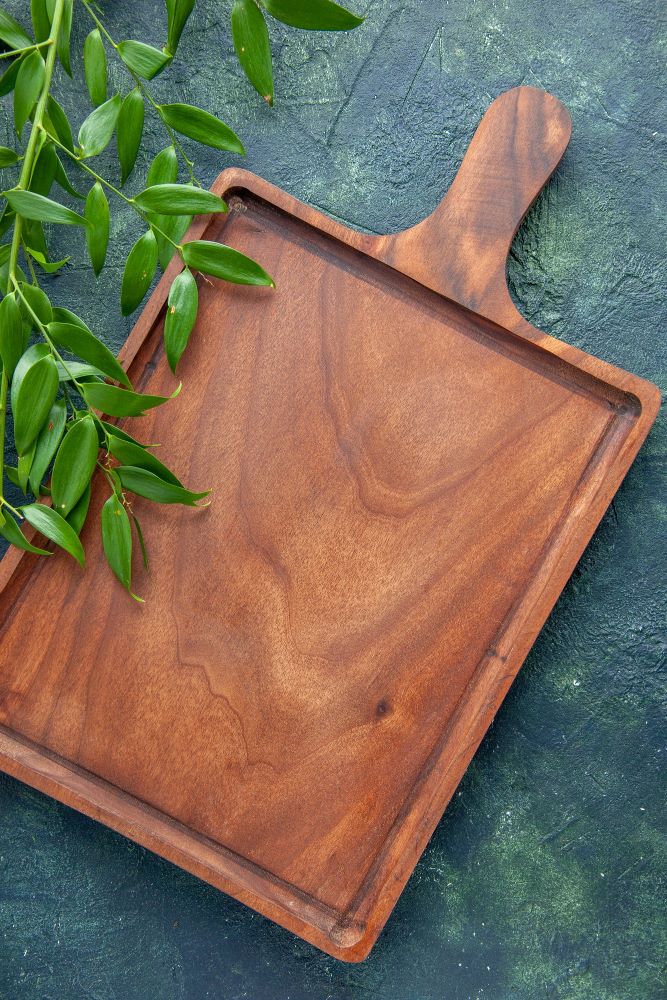
Although not classified as disposables, wood and stainless-steel trays remain important in many foodservice settings. Their role is different from molded fiber or plastic—they support presentation, durability, and repeated use.
Wooden boards offer a warm, natural look that works well for grazing tables, canapés, bakery assortments, and desserts. They are sturdy, reusable, and often sourced from certified woods. In retail displays and premium catering sets, wood adds visual warmth and elevates perceived value.
Metal trays, typically stainless steel or aluminum, excel in back-of-house and high-heat environments. They tolerate oven and buffet-line temperatures, sanitize easily, and nest efficiently for storage. They are the standard choice for sheet-pan preparation, bain-marie frames, and hot-pass holding.
In practice, many operators combine reusable bases (wood or metal) with disposable inserts such as bagasse trays, molded pulp liners, or foil pans. This hybrid approach:
- Reduces food waste
- Improves workflow
- Simplifies clean-up
- Maintains hygiene standards
Wood and metal formats therefore sit alongside disposables as part of a complete foodservice system—supporting both premium presentation and operational efficiency.
How Different Industries Use These Trays
Understanding tray usage by industry helps clarify which features matter most.
1. Food Delivery & Takeaway Meals
Keyword cluster: divided serving tray with lid
Delivery requires secure, leak-resistant, and temperature-friendly packaging. Divided trays with lids are preferred because they:
- Keep sauces and sides separated
- Prevent cross-flavor contamination
- Stack well in delivery bags
- Maintain presentability after transit
Bagasse molded pulp trays with lids are a top choice for hot rice bowls, lunch sets, proteins with sides, and multi-component meals.
2. Supermarkets & Grocery Retail
This category actually has two distinct types of trays:
A. Ready-to-Eat Vegetable Platters With Lids
Keyword cluster: vegetable serving tray with lid
Google search results overwhelmingly associate “vegetable platters with lids” with ready-to-eat party platters—often with a clear dome lid for visibility.
Sustainable alternatives here include:
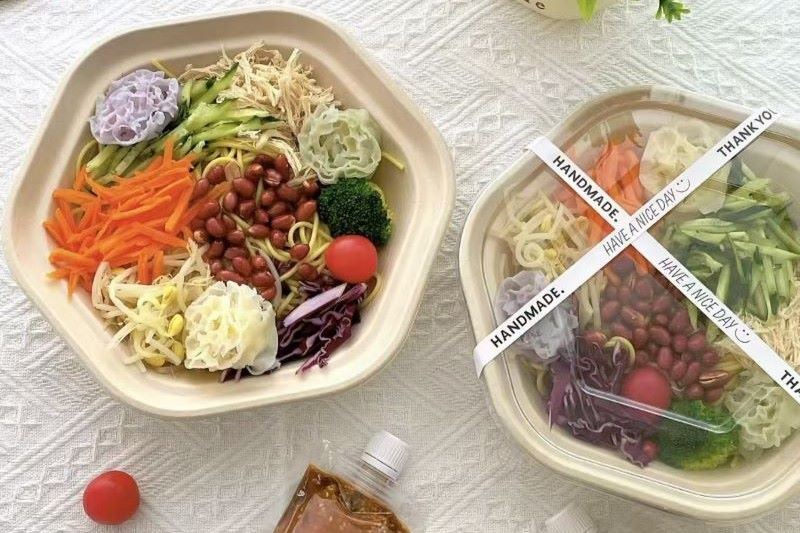
- Bagasse salad bowls with clear lids (ideal for veggie platters, fruit platters, cold pasta salads, and party appetizers)
- Sushi trays (commonly reused for cold items, deli assortments, or retail appetizers)
These give supermarkets the clarity they need for display while significantly reducing plastic use in the base tray.
B. Produce Trays (Fresh Food & Agriculture)
Produce trays are used for:
- Fruits & berries
- Mushrooms
- Tomatoes
- Farm-to-store produce
- Fresh seafood and meat (depending on liner requirements)
Molded pulp produce trays offer:
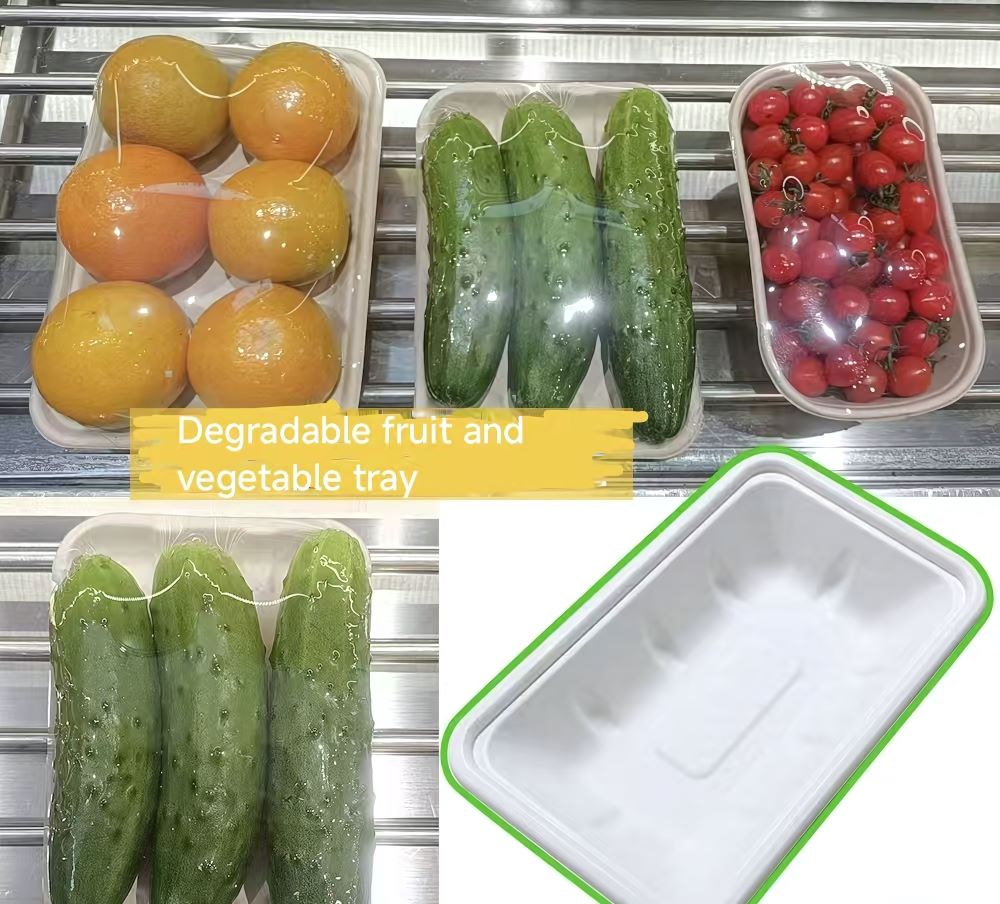
- Cushioning
- Ventilation hole patterns (if needed)
- Cold chain compatibility
- A renewable material footprint
These trays match your product category for fresh produce packaging.
3. Catering & Events
Catering rarely uses lidded trays. Instead, the priorities are:
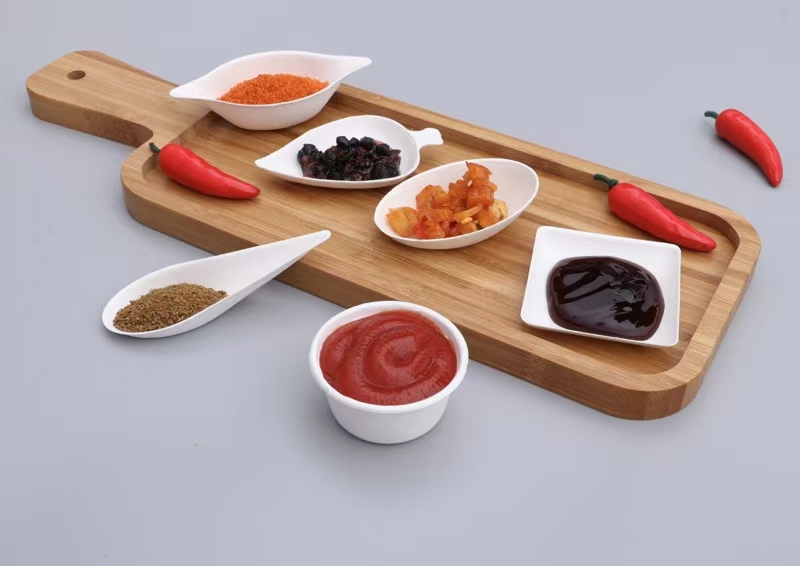
- Presentation
- Portion layout
- Variety of shapes
- Strength for carrying and replenishing
Large molded pulp platters and mini appetizer tasting dishes work extremely well in catering setups—enhancing visual appeal while reducing waste.
4. Restaurants & Cafés
Restaurants often rely on:
- Small appetizer trays
- Mini dip cups
- Tasting dishes
- Small plates for samples or pairing menus
Bagasse tasting dishes or finger-food cups offer modern presentation while remaining fully compostable.
5. Retail Ready-to-Eat Meals
Sushi, poke bowls, salads, sandwiches, and cold deli foods all require rigid trays or bowls with good lid clarity.
Here, molded pulp bases with PET lids strike an excellent balance: sustainable at the base and visually appealing on the shelf.
Key Features Buyers Evaluate
Across industries, decision-makers tend to consider a common set of practical criteria.
1. Size & Compartment Layout
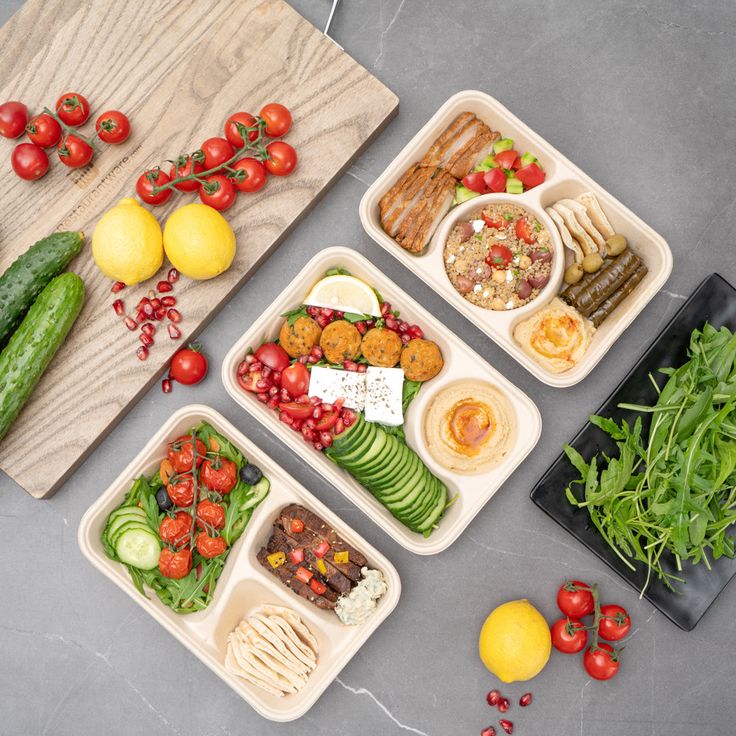
For meal prep and delivery, compartments maintain portion control and prevent mixing.
For supermarket platters, generous central space for dips or fruit is preferred.
2. Lid Style & Visibility
Only certain applications require lids:
- Delivery meals → functional seal
- Ready-to-eat retail → clear visibility
- Catering → lids unnecessary; focus on display
3. Heat & Moisture Resistance
Bagasse trays perform exceptionally well with hot foods and retain shape even with saucy dishes.
Plastic provides moisture resistance but suffers under heat.
Paperboard must be coated and may become soggy.
5. Presentation Value
Supermarkets require high visibility. Catering needs aesthetics. Restaurants want premium plating.
Choosing the right tray style directly impacts perceived food quality.
6. Leak Resistance
Divided trays with lids—and molded pulp bowls with fitted lids—are increasingly preferred for saucy or oily foods.
Eco-Friendly Considerations
Sustainability is no longer optional—it affects customer loyalty, procurement policies, and even regulatory compliance.
1. Compostability Claims
Compostable trays must meet certification standards (e.g., EN13432, ASTM D6400).
Bagasse molded pulp trays qualify when produced under certified conditions.
2. Recyclability Realities
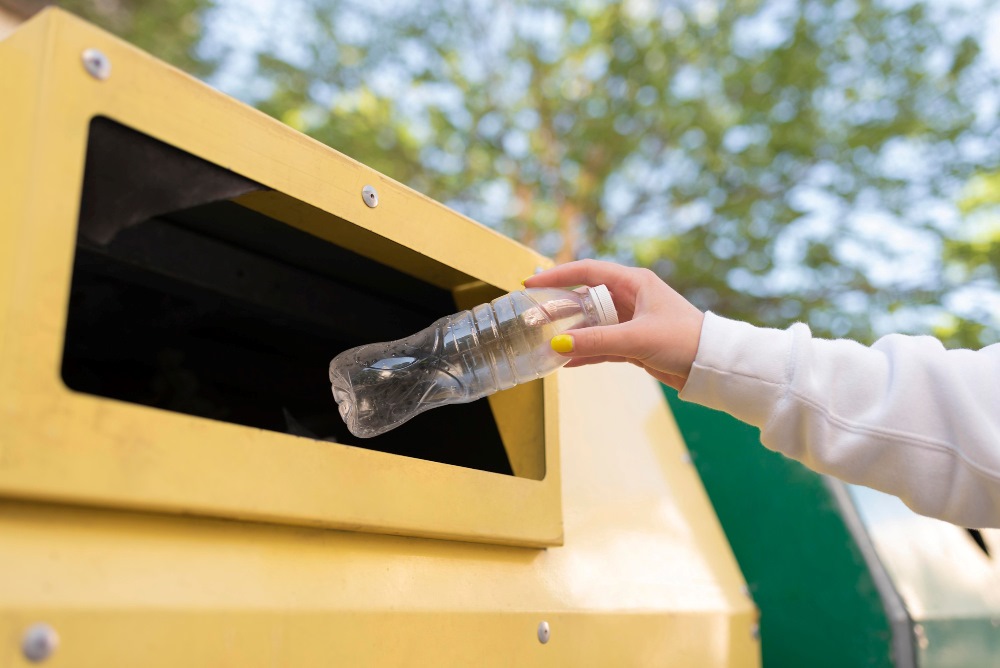
Unlike theory, real-world recycling rates for plastic trays remain low due to food contamination and sorting limitations.
Molded pulp trays, however, fit more easily into composting or fiber-recovery streams.
3. Certifications Matter
Procurement teams often request:
- EN13432 compostability
- Food-contact migration tests
- Heavy-metal testing
- Bisphenol and phthalate restrictions
These influence whether trays can be used in retail or food-contact applications.
Material Comparison
Here’s a practical view of how major tray materials perform.
Plastic Trays
- Good for visibility
- Lightweight
- Regulatory pressure increasing
Paperboard Trays
- Suitable for dry foods
- Limited moisture resistance
Wood & Metal Trays
- Ideal for in-house and reusable use
- Not suitable for takeaway or retail packaging
Molded Pulp (Food-Grade Bagasse)
- Best for hot & cold foods
- Custom shapes & compartments
- Work with clear lids
- Compostable
- Excellent for produce, delivery meals, and tasting dishes
Molded pulp is increasingly replacing plastic in both retail and foodservice due to its performance and sustainability.
Choosing the Right Tray: A Practical Framework
This section makes the buying decision easy—categorized by the most common use cases.
1. For Takeaway Meals
Choose:
- Divided molded pulp trays
- Snap-fit lids
- Leak-resistant designs
- Heat-resistant materials for hot foods
Avoid: flimsy paper trays, non-microwave-safe plastics.
2. For Supermarket Vegetable Platters (Ready-to-Eat)
Choose:
- Salad bowls with clear lids
- Sushi-style flat trays with clear tops
- Rigid bases for holding cut vegetables
Avoid: opaque trays that reduce shelf appeal.
3. For Produce Display (Fresh & Raw Food)
Choose:
- Molded pulp produce trays
- Ventilated designs for berries/mushrooms
- Cold-chain-compatible fibers
Avoid: trays without structural reinforcement for stacking.
4. For Catering Events
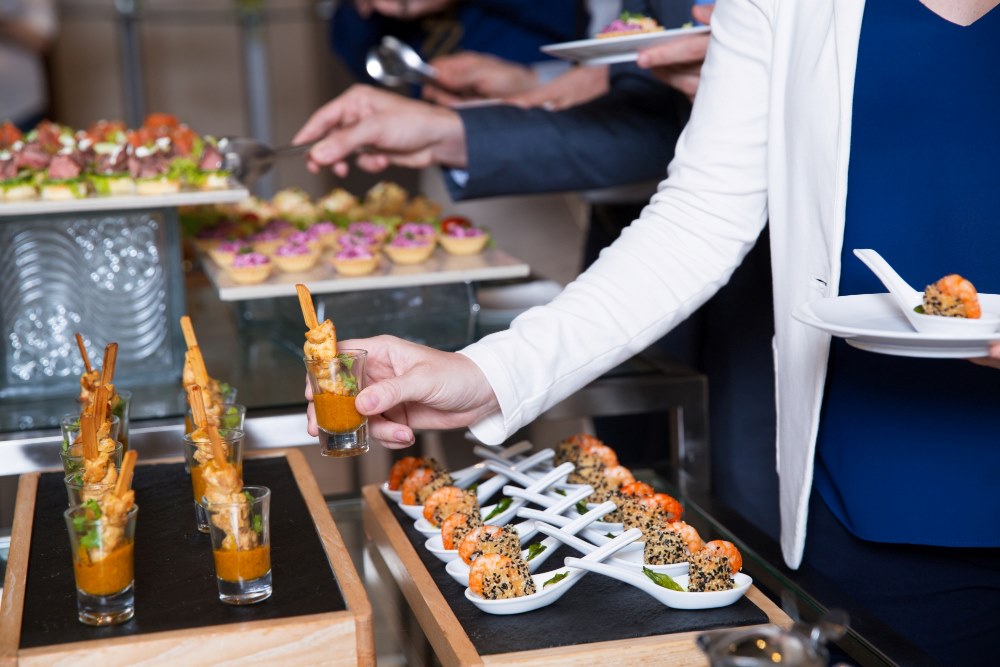
Choose:
- Large display platters
- Mini appetizer or tasting dishes
- Strong molded pulp trays
Avoid: lid-dependent formats (not needed in event service).
5. For Tasting, Finger Food & Sampling
Choose:
- Mini dessert plates
- Small dip cups
- Finger-food trays
- Molded pulp “tapas-size” vessels
Avoid: oversized packaging that breaks visual proportions.
Conclusion
Food service trays are no longer a simple commodity. They influence workflow efficiency, customer perception, sustainability performance, and regulatory compliance. The right tray—whether for meal prep, catering, retail produce, or ready-to-eat vegetable platters—can significantly improve operational outcomes.
For teams exploring molded pulp solutions, or evaluating sustainable alternatives to plastic trays, samples and material guidance are available upon request. A thoughtful tray selection today can streamline your service and future-proof your packaging strategy.