
Introduction: Plastic Reduction Is Now a Business Priority for Home-Care Brands
Across the global home-care industry, one theme has become impossible to ignore: reducing plastic. Whether you manufacture laundry detergent, dishwashing products, surface cleaners, or multi-purpose sprays, packaging decisions are now shaped by regulations, retailer policies, and shifting consumer expectations.
Among all packaging formats, detergent bottles stand out as a major source of plastic consumption. They are durable, convenient and familiar—but also hard to recycle, costly to dispose of, and increasingly viewed as inconsistent with consumers’ sustainability expectations.
As a result, many home-care brands are exploring alternatives. One of the fastest-growing solutions is pulp packaging—rigid molded-fiber structures made from renewable sources such as bagasse, bamboo, or recycled fiber. For certain applications, pulp is proving to be a practical and meaningful step toward plastic reduction.
This article explores why this transition is happening and how pulp packaging is being adopted across the home-care category.
Why Plastic Detergent Bottles Are Being Reconsidered
1. High Plastic Waste & Low Recycling Rates
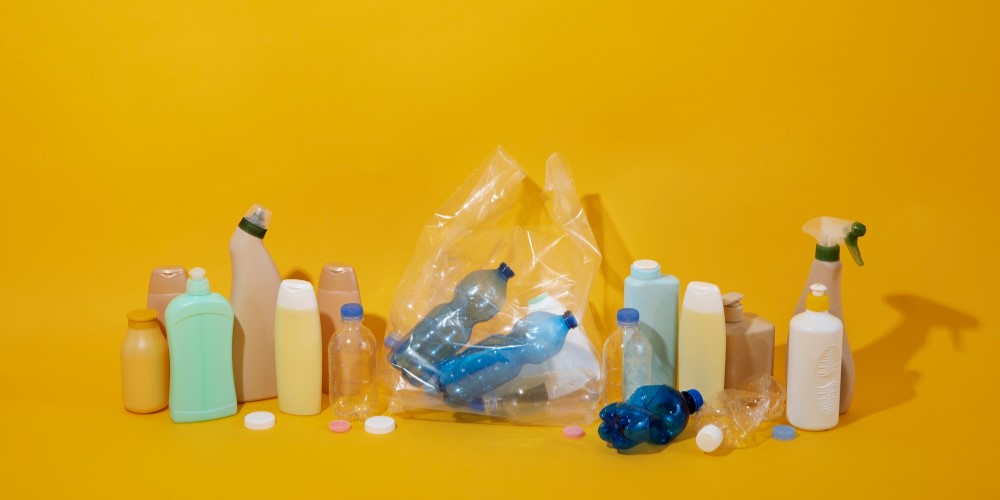
Although many detergent bottles are technically recyclable, the real-world recycling rate is far lower than consumers assume. Colorants, multilayer structures, labels, and product residue all reduce recyclability in practice. In the United States, the overall plastic recycling rate has been estimated at around 5–6% in recent years, meaning most plastic packaging still ends up in landfill or the environment.
For brands making ESG commitments, this gap between “recyclable” and “actually recycled” has become a growing credibility issue.
2. Regulatory and Retail Pressures Are Increasing
Governments and retailers are tightening rules around packaging:
- The EU Packaging & Packaging Waste Regulation (PPWR) is pushing brands to reduce virgin plastic, increase recyclability, and improve material traceability.
- The UK Plastic Packaging Tax imposes penalties for packaging with insufficient recycled content.
- Several U.S. states—including California, Maine, and Oregon—are implementing Extended Producer Responsibility (EPR) requirements for packaging waste.
- Major retailers are publishing packaging scorecards and sustainability evaluation systems.
All of these developments make purely plastic detergent bottles more challenging to justify—especially when viable alternatives are emerging.
3. Consumer Behavior Has Shifted
Search trends and retail performance both show that “eco-friendly cleaning products” continue to grow as a category. The packaging itself plays a powerful role in how “eco-friendly” a product feels.
Customers increasingly expect:
- Less single-use plastic
- More natural or renewable materials
- More transparency about packaging impact
In many markets, packaging appearance is now directly tied to brand trust.
The Rise of Pulp Packaging in the Home-Care Category
1. What “Pulp Packaging” Means for Home-Care Products
Pulp packaging—also known as molded fiber packaging—is made by forming wet fibers into rigid shapes using customized molds. It can be produced using:
- Bagasse (sugarcane by-product)
- Bamboo fiber
- Recycled paper
- Other renewable fibers
For home-care applications, pulp packaging can serve as:
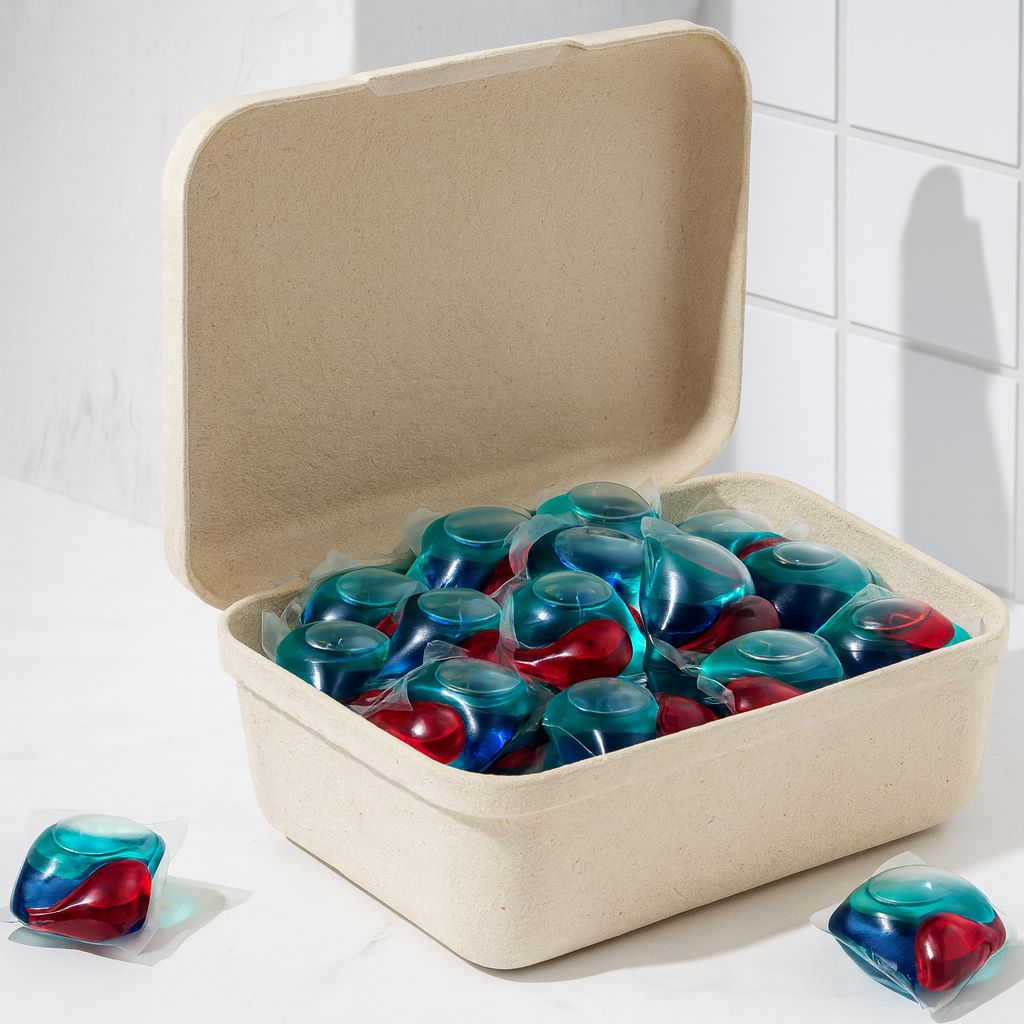
- Protective trays for tablets, pods, or cleaning bars
- Rigid outer shells for bottles
- Structural inserts for e-commerce sets or gift bundles
The material is sturdy, renewable, visually natural, and widely perceived as eco-friendly.
2. Why Pulp Is an Attractive Alternative to Plastic
Brands are increasingly drawn to pulp packaging for several reasons:
- Renewable materials with a lower carbon footprint than conventional plastics
- Visually sustainable aesthetics that immediately signal environmental responsibility
- Compatibility with paper recycling streams in many markets (varies by region)
- Customizability, allowing brands to create unique shapes and experiences
- Durability, especially for protective trays and rigid outer shells
While pulp cannot replace plastic in every use case, it provides a strong platform for brands moving toward solid formats or plastic-reduced systems.
3. Pulp Packaging Works Especially Well for Solid Formats
Solid cleaning products are a rapidly expanding category. Pulp packaging aligns particularly well with:
- Laundry pods trays
- Dishwasher tablet trays
- Solid cleaning bars / concentrated bricks
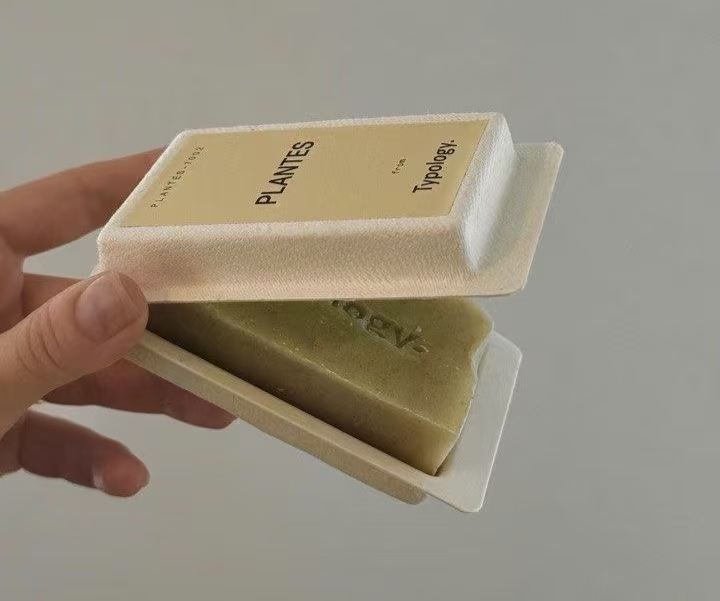
These products do not require liquid containment, making pulp an excellent structural material with natural strength and stability.
Even though InNature Pack does not yet have mass-produced versions of these trays, we have extensive experience designing and manufacturing similar pulp structures—especially in the protective packaging segment—allowing us to provide engineering guidance when brands explore these concepts.
Detergent Bottles: Why They Are Moving Toward Paper-Based Solutions
1. Plastic-Reduced vs Plastic-Free Paper Bottles
Brands exploring paper bottles typically follow two paths:
- Plastic-Reduced Bottles
Paper outer shell + thin plastic liner
(Reduces overall plastic volume while maintaining barrier performance) - Plastic-Free Bottles
Paper outer shell + bio-based coating for mild, non-corrosive liquids
(Suited for selected formulations depending on their pH and solvent content)
InNature Pack’s current standard capacities—120 ml, 350 ml, and 1000 ml—are frequently used for:
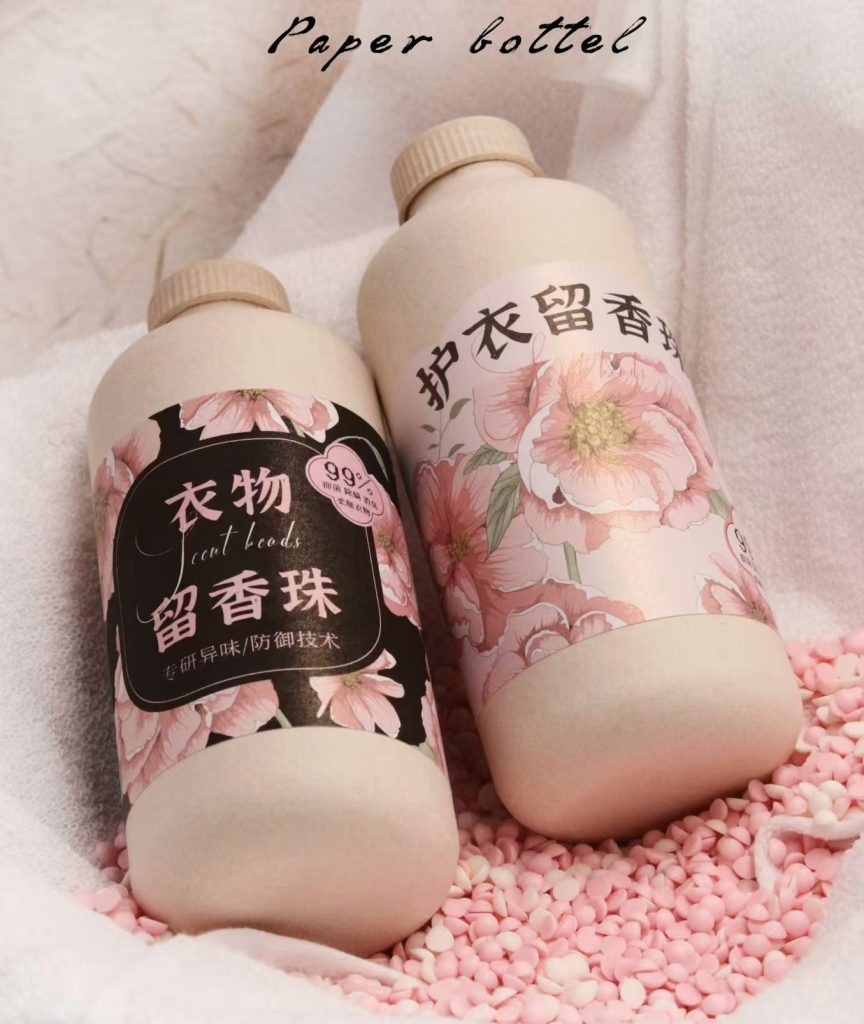
- Skin-contact cleaning products
- Mild household liquids
- Cleaners with simple formulations
- Refill products or concentrated liquids
We also support feasibility evaluations where brands provide their liquid ingredients for a compatibility check.
2. Why Brands Experiment with Pulp Bottles
The transition toward paper-based bottles is driven by more than sustainability messaging:
- Significant plastic reduction compared with traditional HDPE bottles
- Lower carbon footprint, depending on the formulation and supply chain
- Premium, natural shelf presence
- Better alignment with direct-to-consumer brands, subscription models, and refill concepts
- Stronger brand storytelling, especially when marketing “plastic-free packaging”
For smaller and emerging brands, a distinctive packaging format can meaningfully enhance differentiation in a competitive market.
3. Technical Considerations for Paper Bottles
When exploring pulp bottles, brands should consider:
- Liquid compatibility
High alcohol content, high acidity/alkalinity, or mineral oils may not suit pulp-based packaging. - Filling process
Some liquids require specific filling equipment or capping systems. - Logistics and shipping
Pulp bottles may require additional outer protection depending on product density.
Because of these variables, the best approach is to begin with a small round of sample testing, then refine the packaging structure as needed.
Where Pulp Packaging Fits Into the Broader Home-Care Portfolio
1. Bottles for Liquids
This is where pulp packaging is evolving most quickly.
InNature Pack offers:
- Standard bottle capacities
- Custom structural design for brand identity
- Options for embossing, labeling, and surface optimization
- Engineering support for mold development and manufacturing readiness
The natural texture and shape flexibility allow pulp bottles to stand out immediately on the shelf.
2. Trays for Solid Cleaning Formats
For dishwasher tablets, laundry pods, or solid detergent bricks, pulp trays provide:
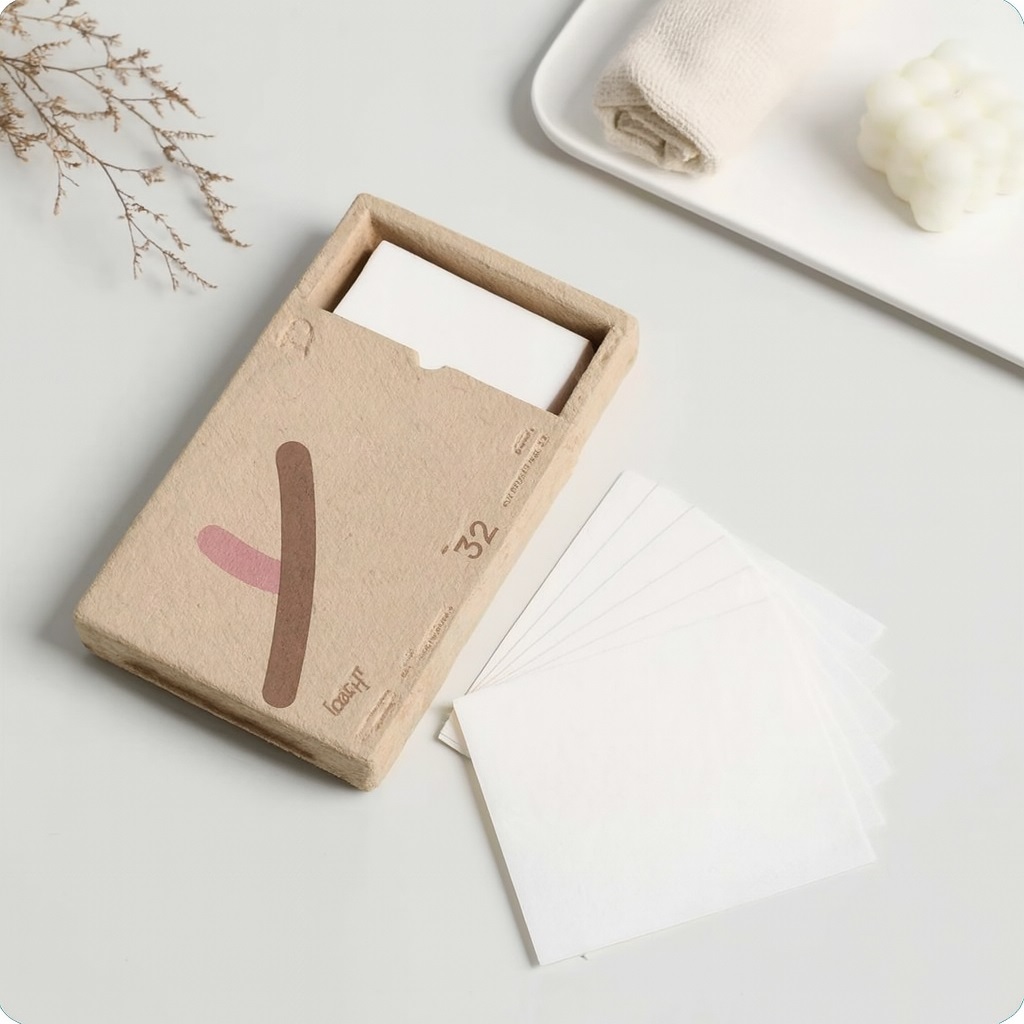
- Strong protection
- Clean, minimalistic visuals
- Plastic-free positioning
- Excellent performance for e-commerce shipments
While not every structural design has been commercialized yet, the engineering principles are mature, and development cycles for trays are comparatively fast.
3. Pulp Packaging for Home-Care Gift Sets & Bundles
Gift sets, starter kits, and refill bundles often require:
- Protective inner trays
- Multi-component cavities
- Aesthetic presentation aligned with brand values
Pulp molds can be tailored to hold multiple SKUs, improve unboxing experience, and replace plastic inserts.
Challenges & What Brands Need to Consider When Switching to Pulp
1. Material Compatibility (Only for Liquid Products in Pulp Bottles)
For liquid home-care products, brands must evaluate:
This step applies only to liquid products.
- pH level
- Alcohol or solvent content
- Presence of oils or surfactants
- Viscosity and Flow Behavior
- Potential interactions with fiber-based materials
These factors determine whether a pulp bottle is suitable for the formulation and what type of coating or inner layer may be required.
Rigid molded-pulp trays used for laundry pods, dishwasher tablets, or solid cleaning bars do not require liquid compatibility testing, as they serve as structural or protective packaging rather than liquid containers.
A quick compatibility check early in development ensures safe use and avoids unnecessary redesign later.
2. Manufacturing & Mold Development
Switching to pulp often requires:
- Reviewing feasibility
- Designing prototypes
- Developing sample molds
- Transitioning to production molds if the solution is approved
The process is collaborative and iterative, ensuring the final structure balances performance, aesthetics, and cost.
3. Branding & User Experience
Pulp packaging can enhance consumer experience when thoughtfully designed:
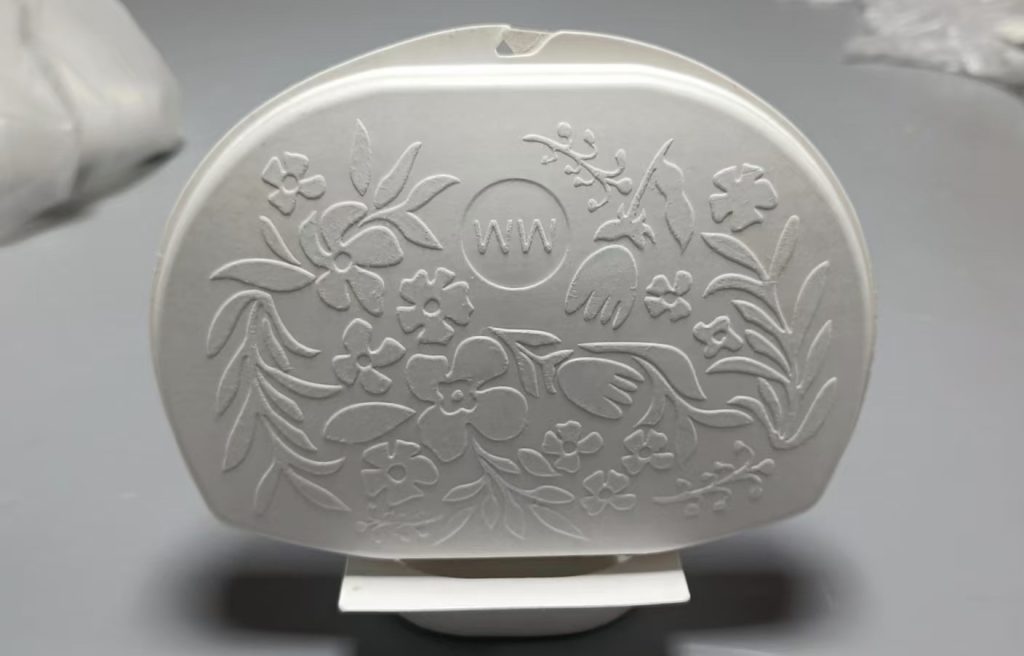
- Embossed logos and textures
- Soft, natural touch
- Minimalistic aesthetics
- Intuitive opening and closing systems
- Shape identity that supports premium positioning
Done well, the packaging becomes part of the product story—not just a container.
Why Many Brands Work with Specialized Pulp Manufacturers
Home-care pulp packaging involves unique technical considerations, so brands often benefit from close collaboration with experienced manufacturers.
Key advantages include:
- Engineering expertise in structure, thickness, and draft angle design
- Support through concept, prototyping, and scale-up
- Ability to customize tooling based on product needs
- Guidance on material selection and sustainability claims
Even at the early exploration stage, a feasibility conversation can clarify which product types are suitable for pulp and which require alternative approaches.
Conclusion: Pulp Packaging Is Becoming a Strategic Advantage for Home-Care Brands
Pulp packaging is no longer a niche experiment limited to a few innovators. It is becoming a strategic component of how home-care brands reduce plastic, differentiate on shelf, and respond to regulatory and consumer demand.
From detergent bottles to trays for solid cleaning formats, pulp solutions offer a scalable pathway toward lower-plastic packaging while enabling fresh design possibilities.
If you would like to explore whether pulp packaging could work for your next home-care product, the InNature Pack team is happy to share samples, review your formulation needs, or support early-stage structural design.