
Glass packaging has a strong place in the cosmetics industry. It feels substantial, looks premium, and provides good barrier properties for many skincare, fragrance, and personal care formulations. From serum and essential oil bottles to perfume and heavy cream jars, glass can immediately elevate how a product is perceived.
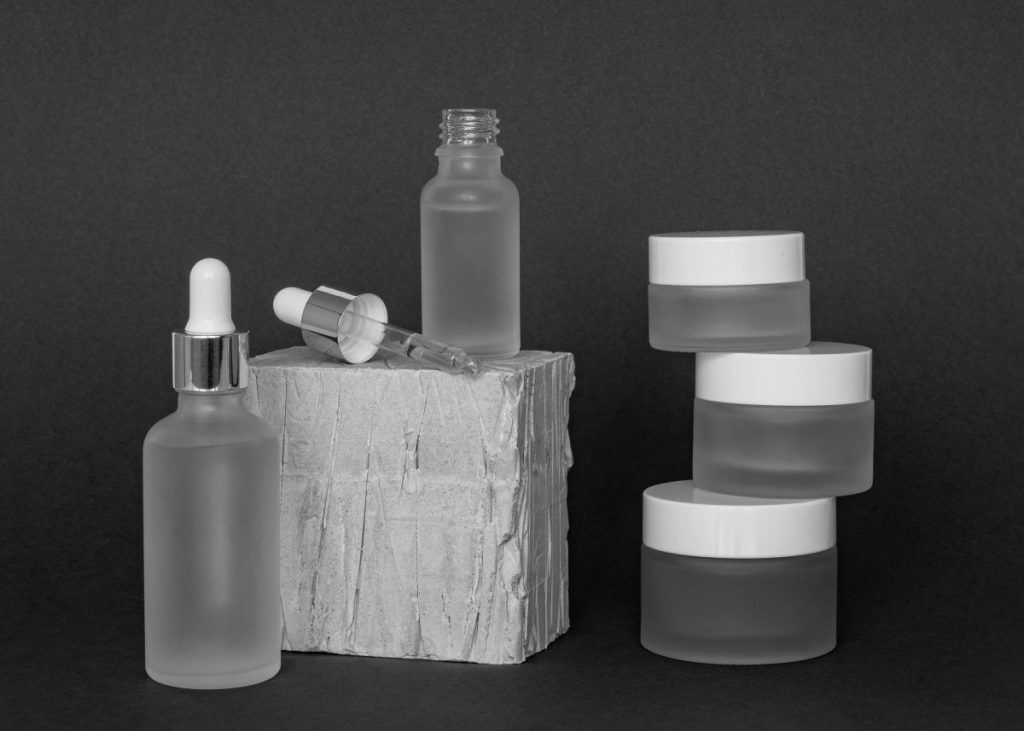
But glass also creates a shipping challenge. It is fragile, relatively heavy, and often paired with vulnerable components such as pumps, droppers, sprayers, and narrow bottle necks. An attractive retail box alone may not be enough to protect it through warehousing, handling, and last-mile delivery.
Good shipping packaging does more than add material around a bottle. It limits movement, separates individual products, protects fragile components, and distributes impact through the entire packaging system.
So, how do cosmetic brands package glass bottles safely—and which option is right for a particular product?
Why Are Glass Cosmetic Bottles Difficult to Ship?
Before comparing packaging materials, it helps to understand the risks involved. A package that works for a lightweight plastic tube may not provide enough protection for a filled glass bottle.
Glass Is Fragile and Relatively Heavy
Glass can crack or shatter under impact, yet it is usually much heavier than a plastic container of a similar capacity. Once filled with serum, lotion, oil, or cream, the complete product becomes heavier still.
During a drop or sudden stop, that weight creates momentum. If the bottle has too much space to move, it may hit the outer box, another product, or a hard part of the insert. Even a short movement inside the box can generate significant force.
This is why adding a large box and more filler does not necessarily improve protection. Effective packaging must provide cushioning while preventing the bottle from building up momentum inside the package.
Pumps, Droppers, and Bottle Necks Are Often the Weakest Areas
The glass body is not the only vulnerable part of a cosmetic package. Pumps, sprayers, pipettes, caps, threaded closures, and narrow necks may fail before the main body breaks.
Pressure on these components can cause several problems:
- A pump may be accidentally activated.
- A dropper cap may loosen during repeated vibration.
- A sprayer or plastic fitting may crack.
- A narrow glass neck may break.
- The product may leak and damage the box, label, or other items.
For this reason, packaging should not depend on pressing down on the pump or dropper to hold the bottle in position. Whenever possible, support should be placed around stronger areas such as the base, lower body, or stable part of the shoulder.
Different Bottle Shapes Behave Differently During Shipping
Bottle capacity alone tells a packaging supplier very little about how a product will behave in transit. Two 30 ml serum bottles may have completely different dimensions, weights, and centers of gravity.
Round bottles can rotate if the packaging does not restrain them properly. Tall, narrow bottles are more likely to tilt. Square bottles may concentrate impact around their corners, while bottles with small bases can be difficult to support securely.
Heavy-bottomed glass bottles introduce another challenge. Their thick bases feel strong, but the extra weight can create more force during a drop. Packaging decisions should therefore be based on the actual bottle shape, filled weight, dimensions, and closure—not simply its stated capacity.
Multiple Glass Bottles Can Collide With Each Other
Gift sets often combine several products: a serum bottle, cream jar, face oil, applicator, and perhaps a ceramic or metal accessory. Each item may be secure when the box is sitting on a table, but transport introduces repeated movement from different directions.
Without reliable separation, glass containers can knock against each other. Over time, this may cause breakage, scratches, damaged labels, loose caps, or a disorganized presentation when the customer opens the box.
Multi-product packaging must therefore achieve two things at once: hold each item securely and maintain enough separation between hard or fragile components.
Temperature Changes and Leakage Add More Risk
Cosmetics may pass through hot warehouses, cold delivery vehicles, or rapid temperature changes during international shipping. These conditions can affect the formulation, internal pressure, and performance of certain closure systems.
Packaging cannot correct a poorly sealed container. However, it can help prevent pumps from being pressed and closures from being repeatedly knocked or twisted. Brands should consider both leakage control and breakage protection, particularly for oils, serums, and other liquids that can quickly weaken paper packaging if they escape.
The Retail Box Is Not Always a Shipping Box
A rigid gift box or folding carton may look strong, but it is usually designed first for presentation. It may not be capable of handling drops, stacking pressure, conveyor systems, and repeated parcel sorting on its own.
For retail distribution, multiple units may travel together inside a corrugated shipping carton. An e-commerce order, by contrast, may be handled as an individual parcel and experience much rougher movement.
In many cases, the retail pack needs an additional mailer or shipping carton. The complete system—not just the box the consumer sees—must be considered when evaluating protection.
What Does Effective Glass Bottle Packaging Need to Do?
Regardless of the material used, protective packaging for glass cosmetics should perform several basic functions.
First, it should restrict movement in all directions. A bottle should not slide sideways, tip forward, or move vertically when the parcel is turned over. At the same time, the fit should not be so tight that it places constant pressure on the glass, damages a label, or makes the product difficult to remove.
Second, individual products need to remain separated. Glass should not touch glass, and bottles should also be isolated from hard accessories such as metal applicators or ceramic tools.
Third, vulnerable components need clearance. Pumps, droppers, and sprayers should not become the main load-bearing points when the box is closed.
Finally, the inner packaging and outer box must work together. A well-fitted insert is less useful if the entire insert can slide inside an oversized carton. The outer box provides containment and stacking strength, while the internal packaging controls the product and helps manage impact.
Common Packaging Options for Glass Cosmetic Bottles
Cosmetic brands use several packaging approaches depending on the bottle, order volume, sales channel, budget, and brand positioning. No single material is the best choice for every project.
Corrugated Dividers

Corrugated dividers create separate cells for individual bottles. They are commonly used for regular round or square containers, especially when several similar bottles are packed in one shipping carton.
Dividers are relatively affordable, easy to source, and widely recyclable. They can also be supplied flat, reducing storage space before assembly.
However, they primarily separate products rather than follow the exact bottle shape. If each cell is too large, bottles may still move or tilt. Corrugated dividers are therefore most effective for regular bottle shapes or when combined with additional cushioning and a well-sized outer carton.
Paper Wraps, Tissue Paper, and Shredded Paper

Paper wraps and loose paper fillers are popular among small cosmetic businesses because they are flexible and create a handmade, natural presentation. They require little initial investment and can accommodate changing product combinations.
Their main limitation is consistency. The quantity and placement of filler may vary from one package to another, and loose paper can compress or shift during shipping. A filled glass bottle may still move even when the box appears full.
These materials work well for decoration or supplementary cushioning, but they may not be sufficient as the only protective layer around a heavy or fragile bottle.
Bubble Wrap and Air Cushions
Bubble wrap is practical for small-volume e-commerce orders, product launches, and brands with many bottle sizes. It provides useful cushioning, requires no tooling, and can be wrapped around irregular products.
The trade-off is packing efficiency and presentation. Manual wrapping takes time, protection depends on how consistently each person packs the product, and excess material can increase parcel size. Plastic cushioning may also conflict with a brand’s efforts to reduce plastic packaging.
It remains a practical option when flexibility matters more than a highly standardized unboxing experience.
Foam Inserts

Foam can be cut to follow the product shape and offers effective cushioning for heavy, expensive, or highly fragile glass items. Its soft surface can also reduce direct contact with the bottle.
For premium perfumes or limited-edition products, foam may provide the desired level of protection. However, thick foam can increase the overall box size, and some foam materials are difficult to recycle. It may also feel inconsistent with the identity of natural, organic, or plastic-conscious cosmetic brands.
Foam is therefore best evaluated in relation to both performance requirements and the brand’s material goals.
Thermoformed Plastic Trays

Thermoformed trays provide precise product positioning and a smooth, consistent appearance. Transparent trays can display the bottle clearly, while colored trays can support a specific retail presentation. They are also suitable for larger production runs and automated packing.
However, a thin plastic tray may offer limited cushioning unless its structure and outer packaging are carefully designed. Transparency can reveal scratches and dust, and plastic packaging may not align with every sustainability strategy.
Actual recyclability also depends on the resin, color, labeling, and local collection system—not simply on whether a recycling symbol appears on the tray.
Custom Molded Pulp Inserts
Molded pulp inserts can be shaped around a bottle to create cavities, dividers, and structural support. They can stabilize the base and body while leaving clearance around a pump or dropper. For multi-product sets, each item can have its own defined position.
Their natural fiber appearance works particularly well for skincare, wellness, organic beauty, and minimalist brands. Depending on the process, molded pulp can have a visibly fibrous texture or a smoother, more refined surface suitable for premium presentation.
Custom inserts do require tooling, so they may not be economical for very small orders or products that are still changing frequently. Molded pulp also has manufacturing tolerances, and highly complex bottle shapes may require simplified contact areas rather than an exact reproduction of every detail.
Its protective performance depends on the structure, material, outer box, and complete packaging design. Still, for brands with stable products and repeat volumes, molded pulp can offer a useful balance between protection, presentation, and reduced plastic use.
How Do Cosmetic Brands Choose the Right Option?
The decision begins with the product itself. A short, regular bottle may work well with a corrugated divider, while a tall bottle, heavy cream jar, or mixed gift set may need more defined support. Product value also matters: breakage of a premium perfume creates a very different cost and customer experience from damage to a low-value sample bottle.
Order volume and product stability are equally important. For a startup testing several bottle designs, flexible materials such as paper wrap, bubble wrap, or standard dividers may make more financial sense. Once the bottle dimensions, gift box, and demand become stable, custom packaging can improve consistency and packing speed.
The sales channel should also influence the decision. Products shipped by the case to retailers experience different handling from individual e-commerce parcels. A beautiful retail insert may still need an additional corrugated mailer for direct-to-consumer delivery.
Sustainability goals should be considered realistically. Paper-based options may help reduce plastic, but the correct choice must still protect the product. Under-packaging that leads to breakage, replacement products, and repeat shipping creates additional waste. Material reduction, shipping efficiency, product protection, and local recycling conditions all form part of the sustainability equation.
Brands should also account for labor. Loose fillers offer flexibility, but packing results can vary. Dividers and formed inserts typically create a more repeatable product position, which can become important as order volumes grow.
Common Mistakes to Avoid
One common mistake is using an oversized box and trying to solve the problem with more filler. Extra space allows a heavy bottle to move, and loose material may shift during transit. A correctly sized package with controlled movement is usually more effective.
Another mistake is relying on the retail box alone. A box designed for shelf presentation may require an additional shipping carton for parcel delivery.
Glass-to-glass contact should always be avoided, especially in gift sets. Pumps and droppers should also be kept clear of direct pressure rather than used as primary holding points.
Finally, brands should not choose packaging based only on how it looks when opened. A neat presentation does not automatically mean the package can withstand repeated vibration, stacking, and drops. The real distribution channel must be considered from the start.
Final Thoughts
Cosmetic brands package glass bottles in many ways, including corrugated dividers, paper fillers, bubble wrap, foam, thermoformed plastic, and custom molded pulp inserts. Each option has a place.
The right choice depends on the bottle’s shape and filled weight, the number of items in the box, the order volume, the sales channel, the desired unboxing experience, and the brand’s material goals.
Whatever material is selected, the same principles apply: control movement, keep glass products separated, protect vulnerable closures, and make sure the inner packaging works with the outer box. When those fundamentals are handled well, brands can reduce breakage without adding unnecessary layers of packaging.
For cosmetic brands considering fiber-based protection, InNature Pack develops custom molded pulp inserts around the product shape, packaging format, order requirements, and intended shipping channel.