
A Practical Buyer’s Guide
Introduction: Choosing “Right” Matters More Than Choosing “Eco-Friendly”
Molded pulp packaging has become one of the most talked-about alternatives to plastic and foam. From electronics and small appliances to cosmetics and consumer goods, more brands are actively exploring molded pulp as a sustainable packaging solution.
But in real projects, the biggest challenge is rarely whether to use molded pulp. It is how to choose the right one.
Material, process, structure, and cost are all interconnected. A wrong decision at any step can lead to unexpected tooling costs, performance issues, or packaging that simply does not fit the product as intended. The good news is that buyers do not need to become packaging engineers to avoid these pitfalls. With a clear understanding of a few key factors, most decisions become much more straightforward.
This guide breaks down how molded pulp packaging is typically selected in real projects—practically, logically, and without unnecessary complexity.
Step 1: Choosing the Right Pulp Material
Color, Cost, Strength, and Application
Molded pulp packaging is not made from a single “standard” material. Different pulp sources result in different colors, cost levels, and performance characteristics. Understanding these differences helps set realistic expectations from the beginning.
Common Molded Pulp Materials Explained
Recycled Pulp
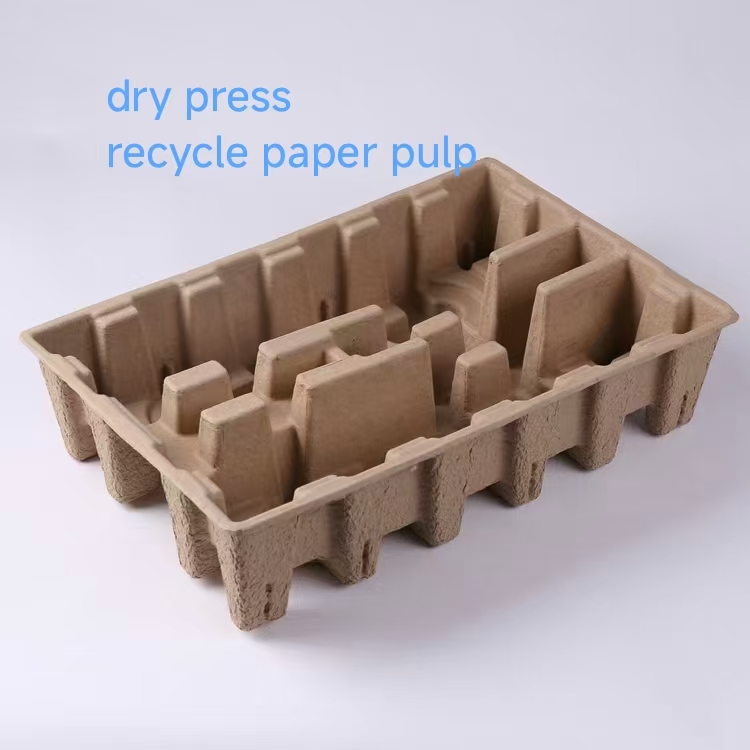
Recycled pulp is usually brownish or grey-yellow in appearance. It is the most cost-efficient material and is widely used for industrial and protective packaging.
Because of its fiber characteristics, recycled pulp is mainly used with dry press processes. It offers good cushioning and structural strength, making it suitable for larger or heavier products where appearance is secondary to protection and cost control.
A4 Pulp (Virgin Wood Pulp – Whiter Appearance)
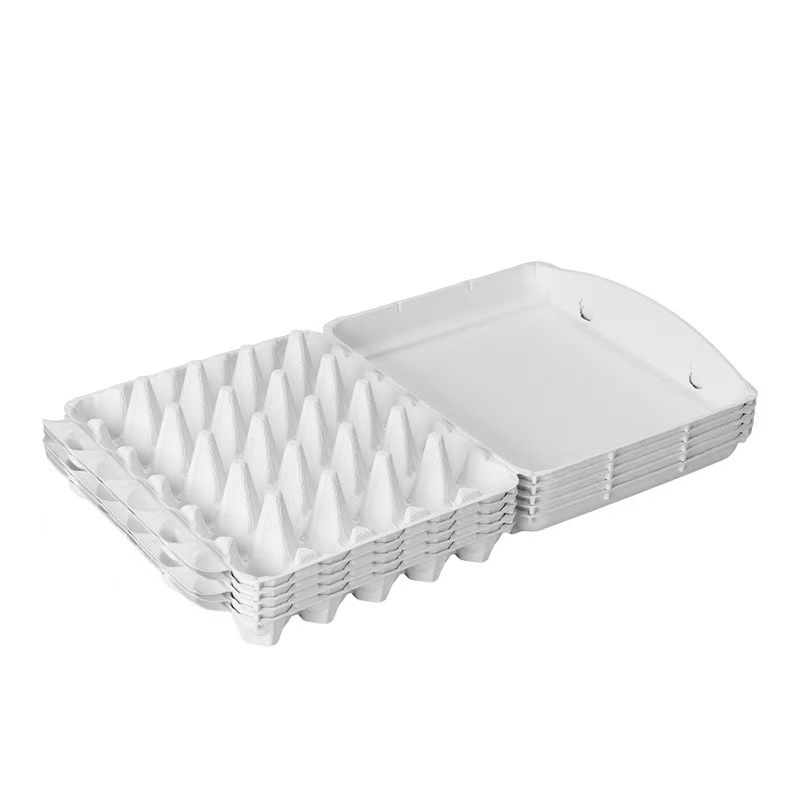
A4 pulp refers to virgin wood pulp and is visually whiter and cleaner than bagasse pulp. It is commonly selected when a brighter appearance, better consistency, or improved print results are required.
A4 pulp can be used with both dry press and wet press processes and is often chosen for consumer goods where visual presentation matters but cost sensitivity still exists.
Bagasse Pulp (Sugarcane Pulp – “White Pulp” in Practice)
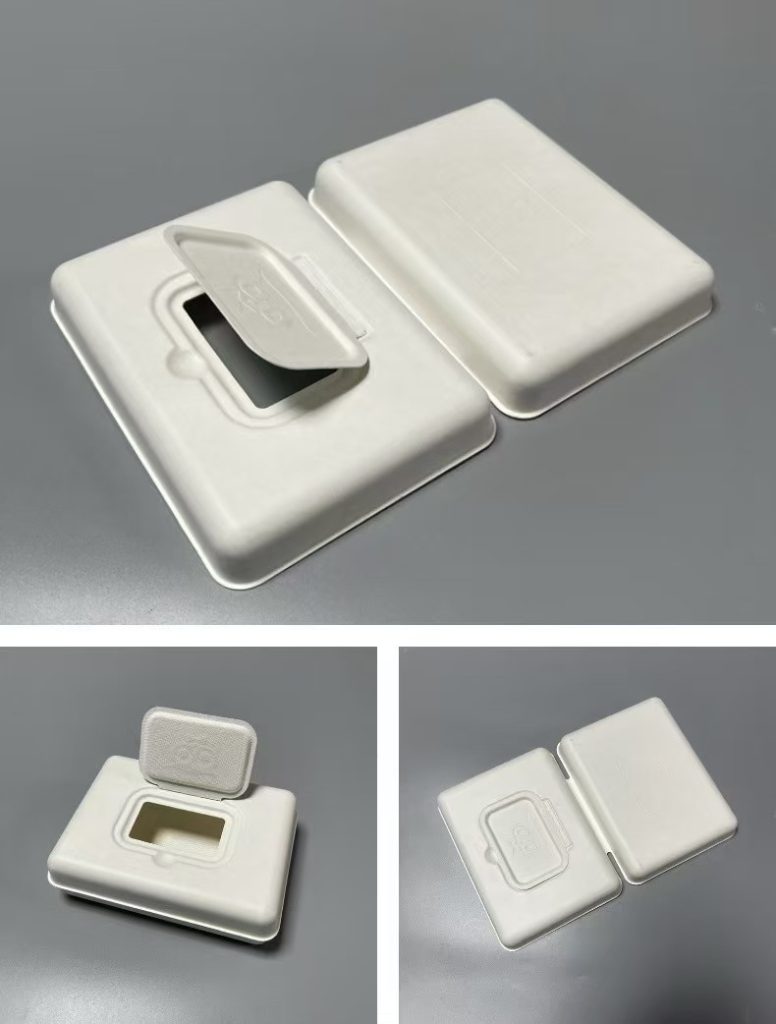
Bagasse pulp is derived from sugarcane residue and is commonly referred to in the industry as “white pulp”, although its color is a natural off-white rather than bright white.
It is valued for its renewable origin and sustainability profile. Bagasse pulp is widely used for food-related and consumer packaging and is compatible with both dry press and wet press processes.
Bamboo Pulp
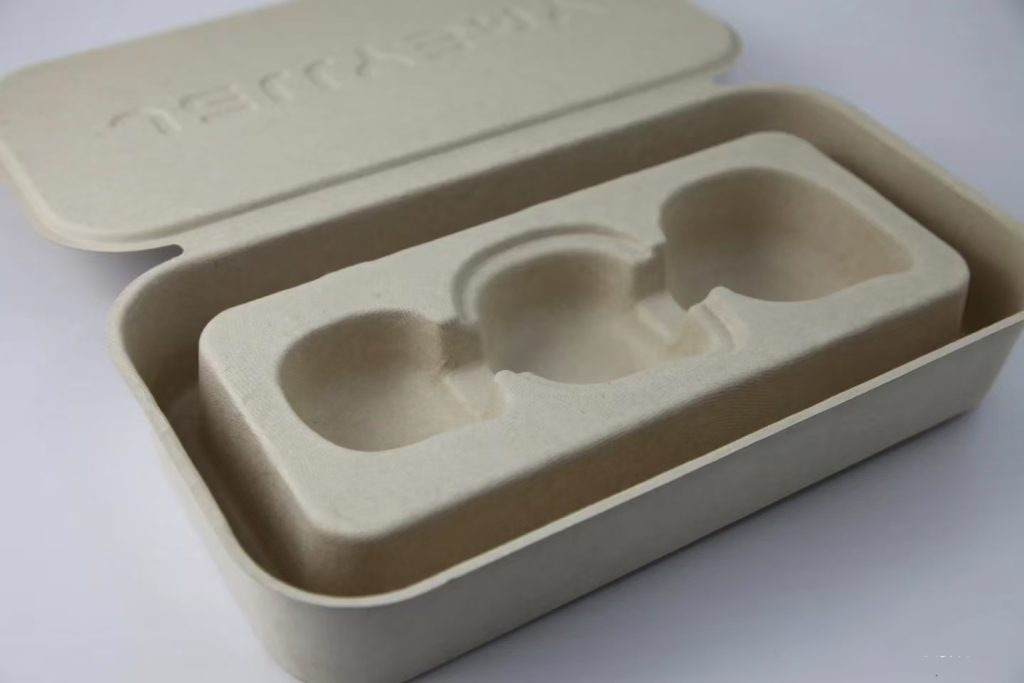
Bamboo pulp typically has a slightly deeper natural tone. It offers strong fiber characteristics but is generally the highest-cost option among common molded pulp materials.
It can be used with both dry and wet press processes and is usually selected when specific branding, sustainability narratives, or fiber performance requirements justify the higher cost.
Material Cost Comparison (Same Size, Same Process)
When product size, structure, and manufacturing process are the same, the typical unit cost ranking from lowest to highest is:
Recycled pulp < Virgin pulp (A4) < Bagasse pulp < Bamboo pulp
This does not mean one material is “better” than another. It simply reflects differences in raw material cost and processing characteristics. The right choice depends on product positioning, appearance expectations, and cost targets.
Step 2: Choosing the Right Manufacturing Process
The manufacturing process has a major impact on tooling cost, unit price, surface appearance, and storage efficiency. This is often where buyers feel decisions become complicated, but the logic behind it is actually quite simple.
Dry Press Molded Pulp: Cost-Efficient and Protective
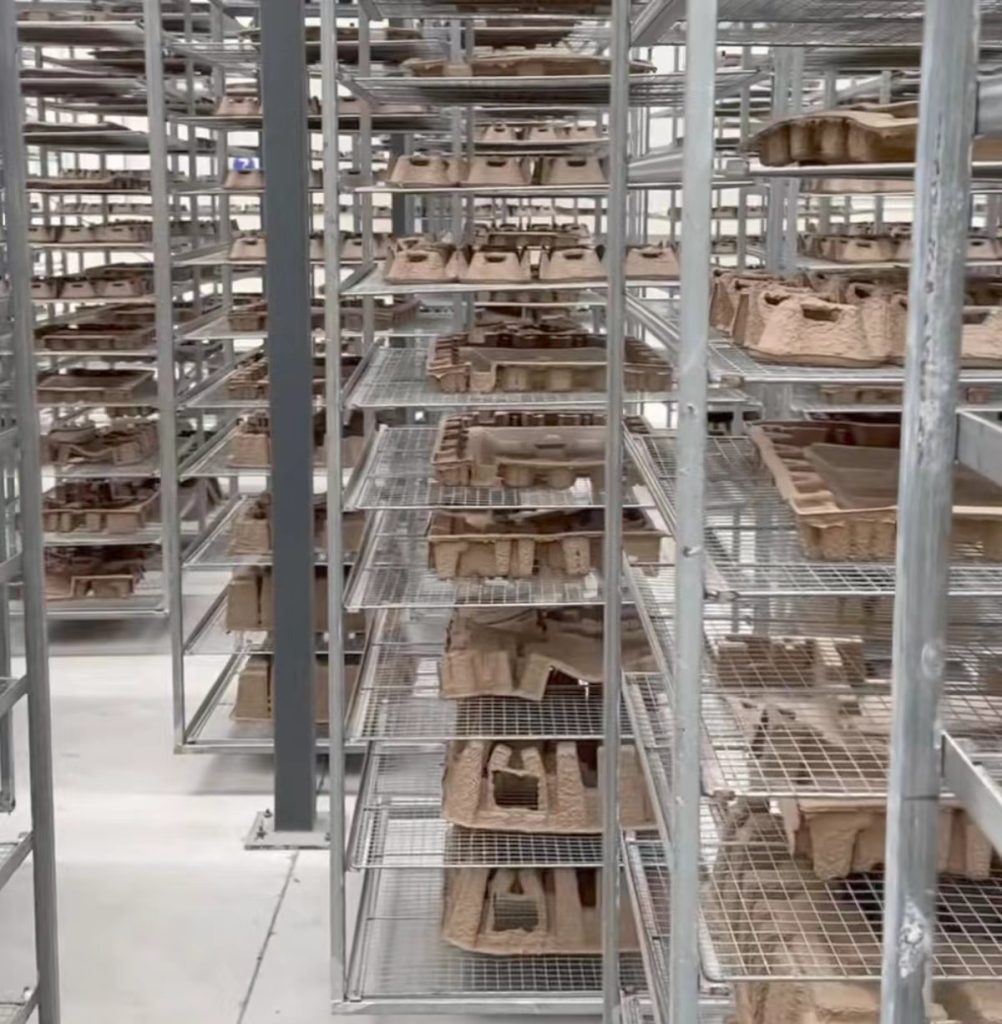
Typical production sequence:
- Forming
- Drying (air drying or oven drying)
- Hot pressing
- Trimming (if required)
By the time hot pressing occurs, the product is already mostly dry. The hot press step usually takes only a few seconds.
Key characteristics:
- Typical thickness: around 2–3 mm
- Surface finish:
- Front side: relatively flat
- Back side: rougher texture
- Strong cushioning and impact resistance
- Well suited for larger, heavier products
Why dry press is usually more cost-efficient
Short hot press time means lower energy consumption and higher labor efficiency. Hot press tooling is often single-cavity, and in some recycled pulp applications, trimming may not be required at all—eliminating the need for a separate trimming mold. As a result, both tooling cost and unit price are typically lower than wet press for the same product size and material.
Dry press molded pulp is commonly used for small appliances, industrial products, and applications where protection is more important than surface refinement.
Wet Press Molded Pulp: Refined Appearance and Space Efficiency
Typical production sequence:
- Forming
- Hot pressing (while the product is still fully wet)
- Trimming
Because the product is wet during hot pressing, this stage typically takes around two minutes per cycle.
Key characteristics:
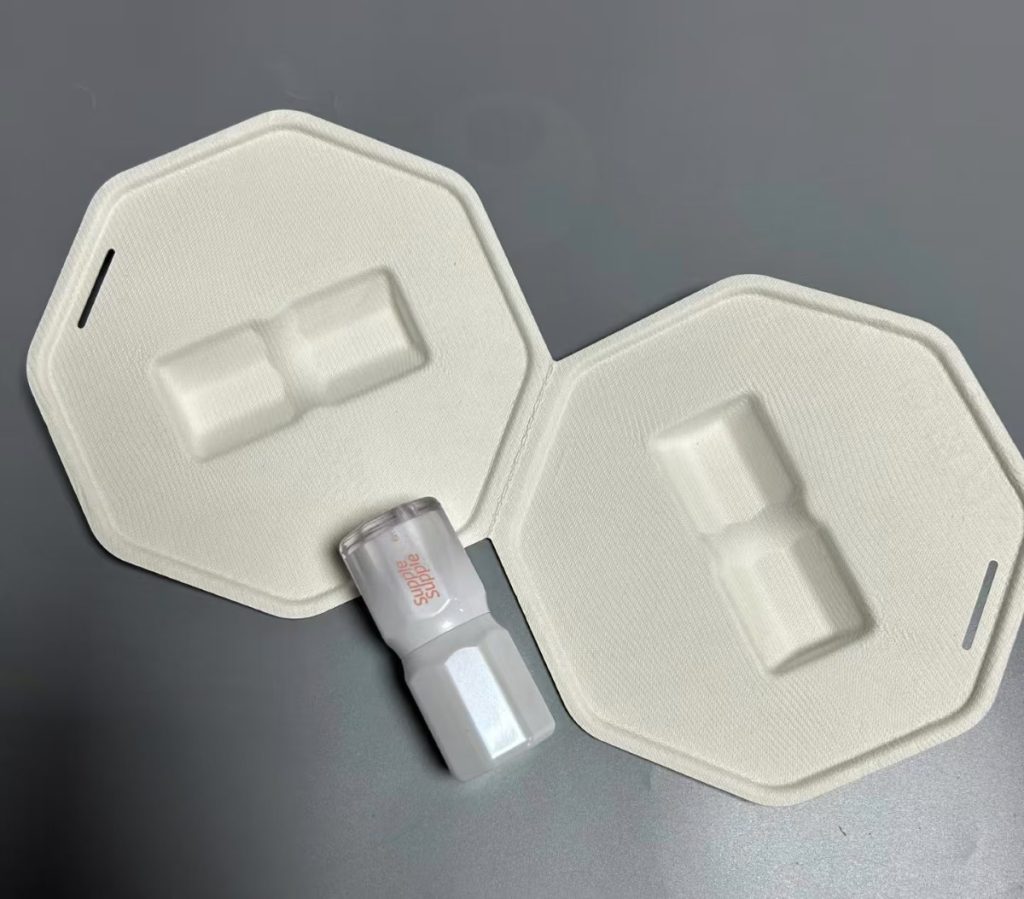
- Typical thickness: around 1 mm
- Surface finish:
- Front side: smooth
- Back side: mesh texture
- Excellent stackability
- Reduced storage and logistics volume
Why wet press costs more
Longer hot press cycles increase energy consumption and reduce throughput. To keep pace with forming output, wet press hot press molds are often designed with multiple cavities. This increases tooling complexity and cost. Combined with higher labor and energy input, wet press products generally have a higher unit price.
Wet press molded pulp is often chosen for electronics, cosmetics, and premium consumer goods where appearance, compact storage, and presentation matter.
Understanding a Standard Mold Set
A complete molded pulp production setup usually includes:
- Forming mold (upper and lower)
- Hot press mold (upper and lower)
- Trimming mold (if required)
The number of cavities and complexity vary depending on the chosen process and product design.
Step 3: Matching Process to Product Type
Without Overthinking It
There is no universally “better” process—only a better match for a specific product.
Dry press is often a better fit when:
- Products are large or heavy
- Cushioning and impact protection are critical
- Cost efficiency is a priority
Wet press is often a better fit when:
- Products are smaller and more refined
- Appearance and surface smoothness matter
- Storage and shipping volume need to be minimized
The decision is usually a balance between protection, appearance, cost, and logistics.
Step 4: Structural Evaluation
The Part Many Buyers Underestimate
Material and process alone do not guarantee success. Structural design plays a critical role in how well molded pulp packaging performs.
Key considerations include:
- Product weight and load-bearing points
- Manual vs. automated assembly
- Transportation and stacking conditions
- Whether full packaging or partial protection (such as corner protectors) is more practical
Well-designed molded pulp packaging works with the product’s geometry rather than forcing a generic structure onto it.
Step 5: Sampling
Why Prototypes Are Essential
Molded pulp packaging is not a “design-once, produce-forever” solution. Sampling allows real-world validation of:
- Structural strength
- Assembly fit
- Surface appearance
- Overall handling experience
Prototypes help avoid costly adjustments later in the project.
Understanding What Samples Can — and Cannot — Show
Sampling plays an important role in molded pulp packaging projects, but it is important to understand what type of sample is being used and what it is meant to verify.
In most projects, sampling is done in stages rather than all at once.
Structural Prototypes (3D Resin or Foam Samples)
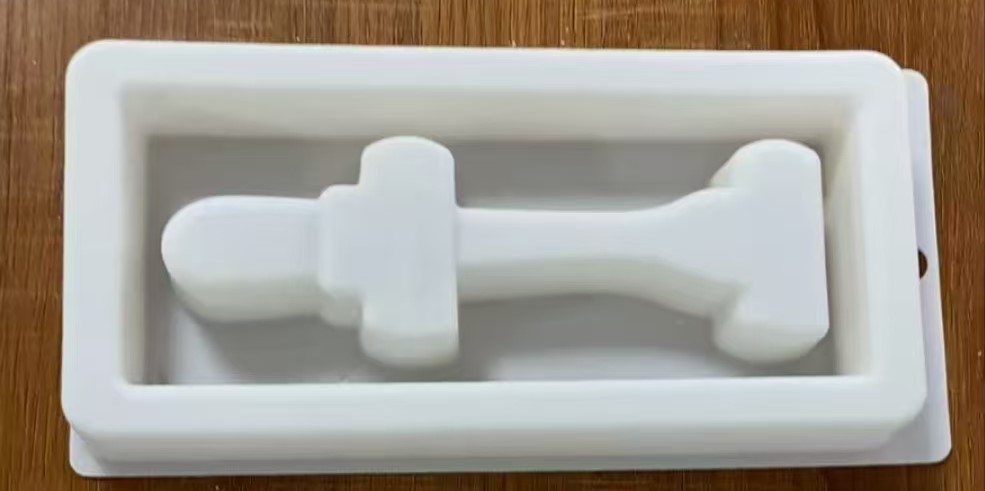
At an early stage, 3D resin prints or foam prototypes are often used to validate the packaging structure. These samples are mainly for:
- Trial fitting with the actual product
- Checking assembly logic and handling
- Evaluating whether the structure provides sufficient support and protection
Because these prototypes are made from different materials, they are not intended to represent the final surface finish, color, or texture of molded pulp packaging. Their value lies in confirming that the structure itself is reasonable before moving forward.
Molded Pulp Samples (Tooling or Trial Production)
True molded pulp samples are only available when:
- A dedicated sample mold is made, or
- Production tooling is completed and trial production is conducted
At this stage, samples can reflect:
- Actual material appearance
- Surface texture and thickness
- Overall visual presentation
For this reason, visual expectations for molded pulp packaging are usually confirmed after tooling or during initial trial runs, rather than at the early prototype stage.
Why This Staged Approach Matters
This step-by-step approach helps control cost and risk. Structural issues can be identified early using low-cost prototypes, while appearance and final performance are validated once the molded pulp process is involved.
Understanding this distinction helps set realistic expectations and avoids unnecessary revisions later in the project.
Step 6: Testing
Verifying Real-World Performance
Before mass production, molded pulp packaging is typically evaluated through:
- Strength and compression testing
- Transport and stacking simulations
- Fit and compatibility checks
The goal is not over-engineering, but ensuring the packaging performs reliably in its actual use environment.
Step 7: From Approval to Mass Production
Once the structure, material, and process are confirmed:
- Production tooling is finalized
- Quality parameters are set
- Mass production begins with consistency controls in place
At this stage, molded pulp packaging becomes a stable, scalable solution rather than an experiment.
What Buyers Actually Need to Decide
Despite all the details discussed, most buyers only need to provide a few key inputs:
- Product dimensions and weight
- Preferred color or material appearance
- Desired packaging style and positioning
- Cost and lead-time expectations
From there, experienced suppliers can recommend suitable materials, processes, and structures.
Conclusion: Let the Packaging Fit the Product
Choosing molded pulp packaging does not require mastering every technical detail. It requires understanding priorities and working with a supplier who can translate product requirements into practical packaging solutions.
When material, process, and structure are aligned with the product itself, molded pulp packaging delivers not only sustainability benefits, but also functional reliability and cost efficiency.
If you are unsure which direction makes sense for your product, reviewing dimensions, appearance goals, and usage conditions is often all it takes to identify the right molded pulp solution.