
For B2B buyers looking to transition to sustainable packaging, molded pulp (also known as molded fiber) is often the top choice due to its excellent eco-friendly profile and protective performance. However, during the sourcing process, many purchasing managers encounter a common hurdle: Minimum Order Quantity (MOQ).
Understanding the logic behind MOQ in the molded fiber industry is essential for making economically viable decisions. In this comprehensive guide, we will break down how MOQ is determined, why it differs fundamentally from plastic packaging, and how you can optimize your costs even with lower initial volumes.
What Is the Typical MOQ for Custom Molded Fiber Packaging?
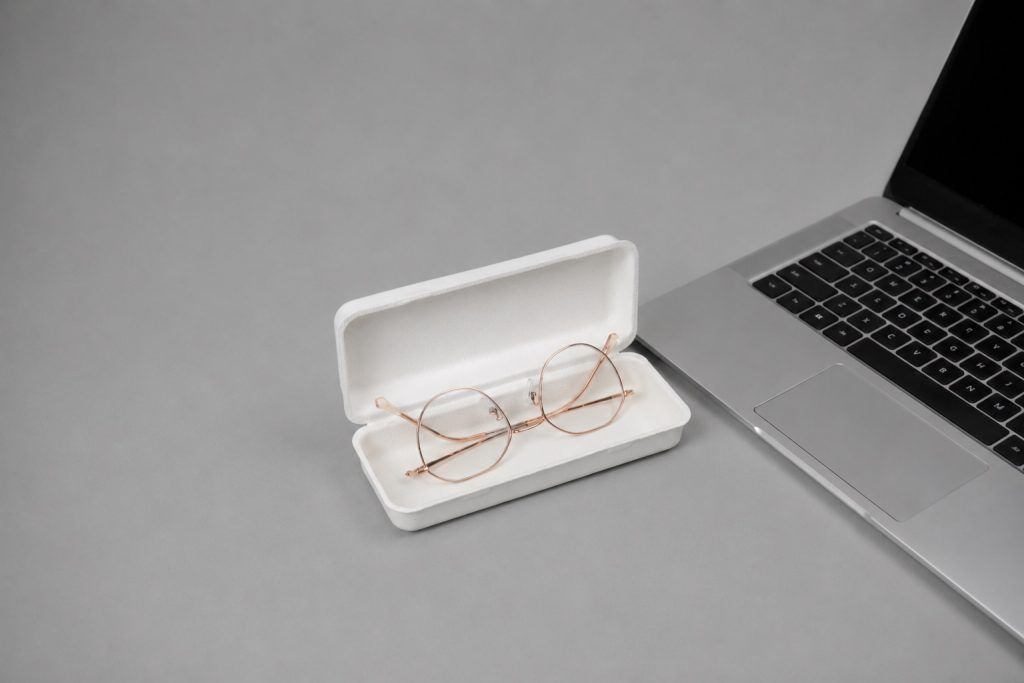
At InNature Pack, our baseline MOQ for custom molded fiber projects starts at around 5,000 pieces. However, this is not a rigid or concrete rule. The final feasibility must always be evaluated comprehensively based on your specific product dimensions, geometry, and the structural complexity of the mold design.
Real-World Insight for New Projects: For first-time custom projects or brand rollouts, the initial tooling run can often accommodate a lower quantity threshold to help you validate your market response without unnecessary inventory pressure. While smaller production batches are entirely possible, buyers must accept a higher unit cost due to fixed machine calibration, material stabilization, and setup overheads.
Why Does MOQ Exist? The Economics of Production
Unlike standard stock packaging, custom molded pulp packaging is built entirely around production economics and upfront engineering. MOQ is not an arbitrary restriction; it is directly governed by two manufacturing realities:
A. Custom Tooling & Mold Investment

A single custom molded pulp solution requires a complete set of molds, which usually spans three distinct stages of production:
- Forming Mold: Transfers the liquid fiber slurry via vacuum suction into the wet shape.
- Hot-Press Shaping Mold: Utilizes high temperature and high pressure to dry, smooth, and precisely shape the piece.
- Trimming Mold: Cleans and shears the outer edges to achieve the exact final dimensions.
This multi-stage mold structure is relatively complex to design and engineer, making the initial investment higher compared to some simpler thermoforming molds used in plastic packaging. If the order volume is too small, the Amortized Cost distributed to each individual packaging unit becomes disproportionately high. From a project viability standpoint, a reasonable MOQ ensures that your total cost per piece remains competitive, protecting the overall economic feasibility of your product launch
B. Machine Setup & Equipment Calibration
Setting up a molded pulp production line is highly time-intensive. Mounting the complex forming, pressing, and trimming molds onto the heavy machinery, adjusting the liquid slurry consistency, calibrating pneumatic pressures, and stabilizing the thermal drying parameters can easily take up to half a day of professional engineering labor.
During this adjustment period, the initial runs generate structural waste as the fiber distribution stabilizes. If an order calls for only a few hundred units, the machine setup time might actually exceed the actual manufacturing run time. To maintain the economic viability of the factory run, a Setup Fee is factored in, which naturally elevates the unit cost for low-volume runs.
Core Factors Influencing Your Molded Fiber MOQ
A. Product Structural Complexity
When evaluating MOQ, manufacturers look at structural complexity rather than just the outward shape. Simple, uniform structures with clear draft angles allow for seamless slurry release and straightforward trimming layouts, which naturally support more flexible batch runs. Conversely, complex structures require highly sophisticated tool engineering and rigorous defect management, which inherently sets a higher baseline for initial production runs.
B. The Selected Production Process (Wet Press vs. Dry Press)
The inherent setup requirements of different manufacturing methods directly impact the entry barrier:
- Wet Pressing: Delivers a premium, smooth surface with precise geometric tolerances—ideal for high-end consumer electronics and cosmetics. Because wet press production relies on meticulous high-temperature alignment and continuous drying lines, the time required for calibration is longer, which generally shifts the MOQ slightly higher to ensure production efficiency.
- Dry Pressing: Focuses primarily on heavy-duty transit cushioning and industrial protection. Since the tooling tolerance limits and machinery calibrations are less rigid, it offers relatively more room for volume flexibility.
C. Custom Color Branding & Dyeing Requirements

Standard custom molded pulp projects utilize natural brown or undyed white fibers. However, if your brand requires custom colored packaging (such as matching a specific Pantone brand color), the MOQ threshold will naturally increase.
Dyeing molded pulp requires introducing specialized pigments directly into the slurry blending tanks. Achieving excellent color uniformity within the fiber mixture and minimizing batch-to-batch color variance requires highly meticulous dye formulation and extensive calibration. Furthermore, transitioning the production line back to standard brown or white requires completely halting the machinery, draining the system, and performing deep, time-intensive cleanings to avoid cross-contamination. Because a custom color run completely monopolizes the production line and involves substantial operational downtime, a higher volume commitment is required to make the run economically viable.
Strategic Ways to Effectively Manage or Reduce MOQ
If your current product launch requires a lower initial volume, you can implement several design and procurement strategies to bypass high entry barriers:
- Consolidate SKUs & Standardize Inserts: If you sell multiple product models of varying sizes, design a single Universal Molded Pulp Insert that can accommodate different items using clever internal nesting steps. Consolidating multiple product lines into one single packaging design pools your order volumes together, easily clearing the factory’s MOQ threshold.
- Simplify the Outer Geometries: Avoid excessive draft angles, extreme depths, or unnecessary design. Simplifying the structural design lowers the engineering complexity of the forming and trimming molds, allowing the manufacturer to offer a lower initial entry point.
- Plan with Long-Term Volume Forecasts: Suppliers value sustainable business relationships. Providing a clear 6-to-12-month procurement forecast allows manufacturers to negotiate flexible upfront MOQs, often arranging a single large production run while setting up a scheduled, multi-batch release plan.
- Accept a Higher Unit Cost to Safeguard Capital: In early startup phases, it is often wiser to pay a higher per-unit price to cover the setup fees, rather than over-purchasing physical inventory that occupies expensive warehouse space. This balances your financial risk against production realities.
- Leverage Existing or Stock Molds: If your product does not require an ultra-precise, millimetric contoured fit—such as standard bar soaps, cosmetics jar bases, scented candles, or generic industrial components—ask your manufacturer about using existing stock molds. Opting for an established, multi-purpose mold completely eliminates your upfront custom tooling and mold investment. Because the factory already owns the validated toolsets, the manufacturing constraints disappear, allowing you to bypass the standard custom MOQ threshold entirely. This is an exceptional, risk-free strategy for startups and new product lines to test the market with minimal capital commitment.

Frequently Asked Questions
Q1: Why is molded pulp MOQ generally higher than custom corrugated boxes?
A1: Corrugated box manufacturing relies on rapid rotary die-cutting and folding machines that require short setup times. Molded pulp, however, involves wet liquid molding, thermal compression drying, and a dedicated three-stage custom toolset, requiring far more extensive machine calibration before a single piece can be successfully produced.
Q2: Can I negotiate the MOQ for my first order?
A2: Yes. At InNature Pack, we can accommodate lower first-time production volumes by separating the tooling validation phase from mass production. Providing a clear roadmap of your long-term demand allows us to be highly flexible with initial trial runs.
Q3: Is there a minimum order quantity for custom physical samples?
A3: There is no MOQ for prototypes or sample runs, as they are meant for engineering verification. However, because making custom prototypes requires dedicated prototype tooling or CNC sample-cutting, the upfront cost for a single sample is higher than the mass-production unit price.
The Final Insight
MOQ in the custom molded fiber industry is not an arbitrary number meant to exclude smaller brands—it is the direct reflection of engineering physics, tooling complexity, and raw manufacturing efficiency. Instead of focusing solely on finding the absolute lowest MOQ, B2B purchasing managers should focus on identifying the optimal volume threshold that balances their upfront tooling amortization against an economical unit price.
By engineering smart, multi-functional packaging designs and collaborating with experienced manufacturing partners like InNature Pack early in the development cycle, you can easily minimize entry barriers and deploy a premium, highly sustainable packaging solution that scales seamlessly with your business.