
Open a tub of protein powder, a pouch of collagen, a tin of infant formula, or a box of laundry powder and there is often one familiar component inside: a small plastic scoop. It is inexpensive, light and practical. It also tends to be the one plastic item a consumer is left holding after the main pack has been recycled, reused or thrown away.
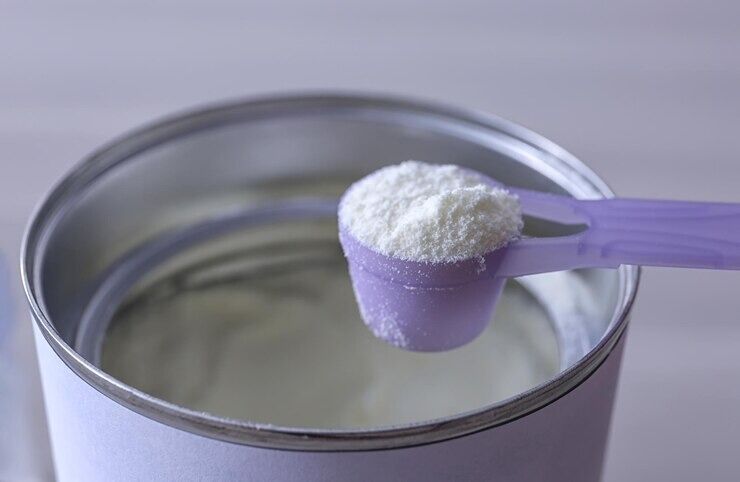
For brands working to reduce unnecessary plastic, that small scoop has become worth a second look. It may represent only a few grams of material, but it is a highly visible part of the consumer experience. A brand can invest in a paper-based carton, a recyclable pouch or a more responsible outer pack, then still include a loose plastic utensil inside. For environmentally minded customers, that contradiction is easy to notice.
Replacing a plastic scoop is not as simple as choosing the most natural-looking material. The scoop must deliver a consistent dose, survive packing and distribution, fit through the pack opening, and remain hygienic in contact with the product. It also needs to be realistic for the brand’s filling process and order volume.
This guide looks at the main alternatives to plastic scoops, where each one works best, and why custom molded pulp can be a practical option for selected powder products.
Why brands are reconsidering the plastic scoop
Packaging decisions are increasingly being examined as a complete system rather than as one main container. Small accessories such as measuring scoops, dosing caps, liners and seals may be minor by weight, but they affect material complexity, recycling communication and the overall impression of a product.
Regulation is one reason for this review, although it is important not to overstate the case. The EU Packaging and Packaging Waste Regulation (PPWR) aims to reduce packaging waste and improve recyclability, but it does not create a blanket ban on every plastic scoop. Its wider direction is clear: brands will face greater pressure to minimise packaging and justify material choices. The Regulation also treats some dosing devices as packaging components. Read the official PPWR text here.
Consumer expectations are another factor. In categories such as plant-based nutrition, organic foods, natural cleaning products and wellness supplements, the packaging often needs to support the same values as the product. A plastic scoop is not automatically unacceptable, but it can prompt a reasonable question: could this component be made with less fossil-based material or removed altogether?
The best answer depends on the product, the way it is packed, and the level of dosing accuracy required. There is no universal replacement.
The main alternatives to plastic scoops
1. Molded pulp scoops

Molded pulp scoops are formed from fiber materials such as bagasse, bamboo pulp or recycled paper pulp. They can be designed around a target volume, a specific pack opening and a preferred handling style. Depending on the product and brand positioning, the scoop may have a short handle, a deeper bowl, reinforcing ribs or a nesting feature to reduce packing volume.
Their main advantage is a genuinely three-dimensional, paper-based alternative that can be designed as part of the packaging experience. This option is particularly relevant for dry products stored in relatively dry conditions, including protein powder, collagen, meal replacements, baking mixes, nutritional blends, pet supplements and selected cleaning powders.
However, molded pulp is not suitable for every application. It must be evaluated for strength, surface finish, dimensional stability and powder interaction. Fine or oily powders may cling more easily to fiber, high humidity can reduce stiffness, and a scoop intended for repeated washing may need another material.
2. Paperboard scoops
Paperboard scoops are usually die-cut and folded from board. They ship flat, which is useful for simple shapes or products where the scoop is used once or only a few times. Their limitation is structure: a folded scoop may be less rigid with dense products, and fold lines can collect powder.
3. Wooden scoops
Wooden scoops create a premium, natural appearance and can work when a brand wants a retained, reusable accessory. For high-volume powder packaging, cost, sourcing consistency, dimensional tolerance and automated packing often make wood less efficient than other options.
4. Compostable or bio-based plastic scoops
Compostable and bio-based plastics can offer performance close to conventional plastic where a smooth surface, high strength or very precise geometry is critical. But brands should still verify certification, local composting availability and the intended disposal route.
5. Removing the scoop entirely
Sometimes the most effective replacement is no scoop at all: pre-measured sachets, portion-controlled sticks, dispensing closures or an optional reusable scoop. This is only practical when the consumer can still achieve a convenient, repeatable dose.
Where molded pulp is most likely to work
Molded pulp is not simply a replacement material; it is a design solution. It is most promising when the product is dry, the dose can be achieved through a practical scoop volume, and the brand can validate a custom component before production.
Protein and wellness powders are a logical starting point. These products are often sold to consumers who already care about ingredients, sourcing and sustainability. The outer packaging may use a paper canister, a rigid tub, a pouch or a refill format, and the scoop is usually included for everyday convenience. A fiber-based scoop can complement a more responsible packaging story, especially for plant-based or natural-positioned brands.
Household cleaning powders can also be relevant, particularly for refill or low-waste concepts. Detergent powder can be dense, abrasive or moisture-sensitive, so the scoop should be assessed against the product chemistry and storage conditions.
Infant formula is a more demanding category because it requires highly consistent dosing and product-specific food-contact validation. Any scoop—regardless of material—must be designed and tested to meet the brand’s hygiene, handling and regulatory requirements. For this reason, a molded pulp scoop should be developed as a carefully validated custom component rather than a simple material swap.
Four design questions to answer before developing a custom scoop
Five design questions to answer before developing a custom scoop
Before selecting a material or starting tooling, brands should clarify how the scoop will work with the actual product and packaging. These five questions help avoid designs that look good in a drawing but are difficult to use or pack in production.
What dose does the scoop need to deliver?
The starting point is not the scoop’s appearance, but the intended dose. A 10 g serving of one powder may require a very different scoop volume from a 10 g serving of another because powder density varies. The supplier should know the target dose, approximate bulk density and acceptable dosing tolerance.
How will the scoop fit inside the pack?

The pack opening, internal height and available headspace all affect the design. A long handle may be convenient for consumers but may not fit inside a short canister or pouch. The scoop may need to rest on top of the powder, nest into the lid, sit in a separate compartment or be packed separately.
What conditions will the scoop face?
Consider humidity, temperature changes during shipping, powder abrasion, static and the length of contact with the product. The scoop should remain functional throughout filling, transport, storage and normal consumer use.
How will the scoop be placed during packing?
A scoop may be dropped loosely into the pack, placed on top of the powder, inserted into a lid feature or packed in a separate paper sleeve. Each option affects the scoop shape, packing efficiency and suitability for manual or automated filling. This should be confirmed early, especially for high-volume projects.
What is the expected annual volume?
Custom scoops require tooling. At a meaningful annual volume, the tooling cost can be spread across many units and the component can become commercially reasonable. For a small launch, an existing scoop shape, a simpler paperboard option or a scoop-free solution may be more practical.
A Practical Way to Make the Switch
For most brands, the best route is to start with one SKU rather than changing every product at once. Choose a dry, relatively stable powder product with a clear sustainability story and a packaging format that can accommodate a new scoop design.
Before committing to production, test the selected alternative with the actual powder and packaging. Confirm that it provides the intended dose, fits inside the pack, remains practical during filling and transport, and is comfortable for consumers to use.
Final thought
Plastic scoops remain practical, and replacing them will not make sense for every powder product. But for brands reviewing small plastic components as part of a wider packaging strategy, there are credible alternatives worth exploring.
Molded pulp is especially interesting when a brand needs a custom-shaped, three-dimensional scoop for a dry product and wants the component to align more closely with a paper-based or reduced-plastic packaging direction. The goal is not to replace plastic at any cost. It is to choose a scoop that gives consumers a reliable dose, fits the packaging system and supports a more considered material choice.
If you are exploring a custom molded pulp scoop, the most helpful first step is to share your target dose, powder type, pack dimensions and expected volume. Those details make it possible to assess whether a fiber-based design is technically and commercially feasible.