
Introduction
As demand for sustainable, eco‑friendly packaging continues to accelerate worldwide, molded fiber packaging is rapidly emerging as a versatile, high‑performance alternative to traditional plastic and foam materials. Molded fiber — sometimes referred to as molded pulp — is made from natural fibers such as recycled paper, agricultural byproducts, or bagasse (sugarcane residue). It is biodegradable, recyclable, and highly customizable, making it ideal for a wide range of industries. According to market research, the global molded fiber packaging market is projected to grow significantly in the coming decade, reaching an estimated USD 12.9–19.6 billion by 2030/2035 under different forecasts as demand for sustainable solutions grows.
In this blog, we’ll explore the major industries that can benefit from molded fiber packaging — and how brands across these sectors are already leveraging this sustainable solution to reduce plastic waste, improve product protection, and enhance brand value.
1. Electronics Industry
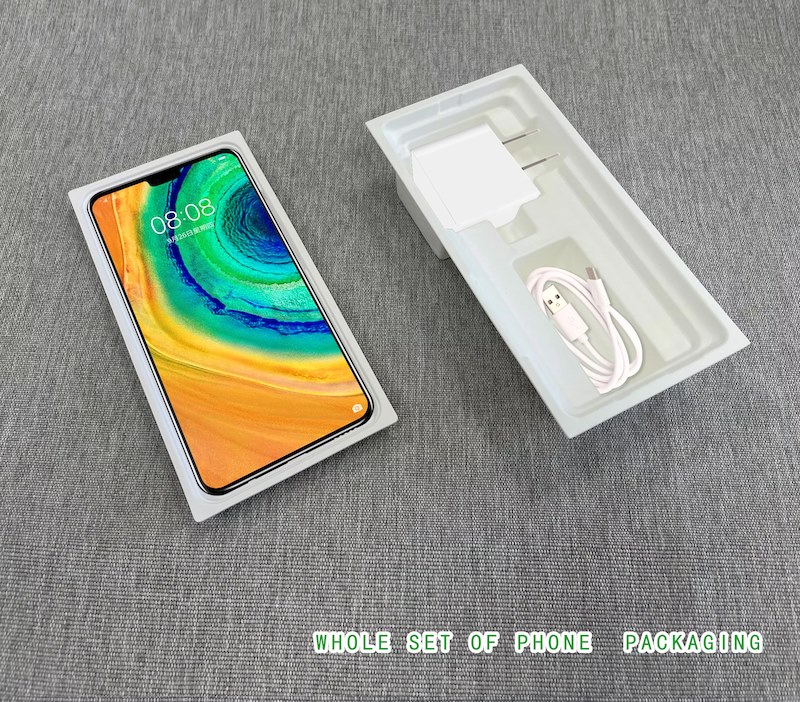
Use Case: Protective packaging for fragile electronics like smartphones, laptops, tablets, accessories, and high‑end gadgets.
Why It Works:
- Superior protection: Molded fiber can be engineered with precise dimensions and cushioning features to reduce movement and absorb shock during transit.
- Customization: Tailored tray inserts and protective structures allow brands to build secure, branded packaging solutions.
- Sustainability: As consumer electronics packaging often ends up as waste immediately after unboxing, switching to biodegradable molded fiber reduces environmental impact compared to expanded polystyrene (EPS) and plastic inserts.
In the electronics sector, protective packaging is critical — products are expensive and often fragile. Molded fiber packaging can be manufactured to cradle devices securely, replacing traditional alternatives like foam or plastic trays. From custom‑fit shock‑absorbing inserts to layered protection systems, molded fiber enhances both product safety and sustainability performance.
2. Cosmetics & Personal Care Industry

Use Case: Packaging for perfumes, skincare products, and haircare items.
Why It Works:
- Premium appeal: Molded fiber can be molded into elegant shapes and finished with print or embossing, enhancing presentation for luxury cosmetics and personal care products.
- Eco‑friendly brand image: Sustainability is increasingly central to consumer decisions in beauty and personal care. Biodegradable packaging appeals to eco‑conscious buyers and supports brand sustainability claims.
- Protection: Fragile products like glass perfume bottles and skincare kits benefit from impact‑resistant molded fiber cushioning.
In the cosmetics space, presentation is as important as protection. Molded fiber allows brands to design packaging that reinforces quality while reducing plastic use. For example, molded fiber trays can cradle skincare bottles or lipstick sets, delivering a premium unboxing experience.
Additionally, molded fiber is compatible with bagasse‑based bottles that you might already be offering for haircare and skincare products. For more on how these sustainable bottle options work and their benefits, check out our dedicated blog post on bagasse‑based bottle solutions.
3. Furniture Industry
Use Case: Protective packaging for furniture and home decor during shipping.
Why It Works:
- Strength and durability: Molded fiber can be designed with thick walls and structural integrity to protect heavy or irregular‑shaped furniture during transport.
- Eco‑friendly substitute: Molded fiber replaces foam and other plastic packaging components that typically end up in landfills.
- Custom fit solutions: Furniture pieces often vary in shape and size — molded fiber can be custom‑designed to fit legs, arms, cushions, or other irregular features.
- Corner protection: For larger furniture items, complete custom coverage may not always be possible. In such cases, molded fiber corner protectors are used to safeguard vulnerable edges and corners of furniture. These protectors help prevent damage to sharp or delicate corners during transportation.

Furniture shipments require protective packaging that can handle weight and protect surfaces. Molded fiber provides shock absorption and compression resistance, safeguarding furniture during storage and logistics. From sofas and tables to decorative pieces, custom molded fiber partitions, inserts, and corner protectors ensure products reach customers in pristine condition.
4. Food & Gift Packaging Industry
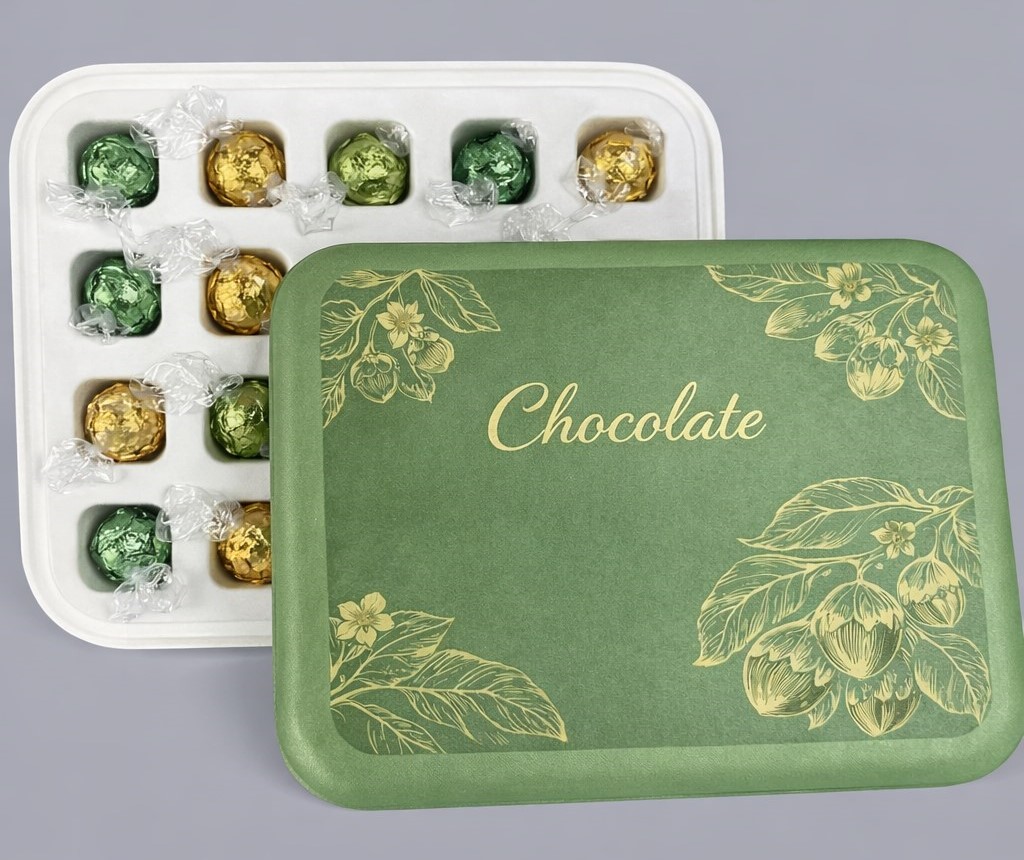
Use Case: Eco‑friendly packaging for gourmet foods, premium gift sets, desserts, and disposable foodservice products.
Why It Works:
- Food safety: Molded fiber can be designed to meet food contact safety standards.
- Brand value: Premium molded fiber trays, clamshells, and trays enhance the presentation of gift baskets, artisan food products, and decadent treats.
- Biodegradable and compostable: Single‑use plastic alternatives in food applications support sustainability commitments.
The food and gift packaging segment is one of the largest markets for molded fiber. According to industry data, food and beverage applications — including cups, plates, trays, and containers — account for a significant share of the molded pulp packaging market.
From eco‑friendly dessert boxes to elegant wine gift packaging, molded fiber creates functional and visually appealing food packaging solutions. Brands in the food and beverage sector especially benefit from molded fiber’s biodegradability, aligning with consumer expectations for sustainable eating and gifting experiences.
5. Cultural & Creative Industry
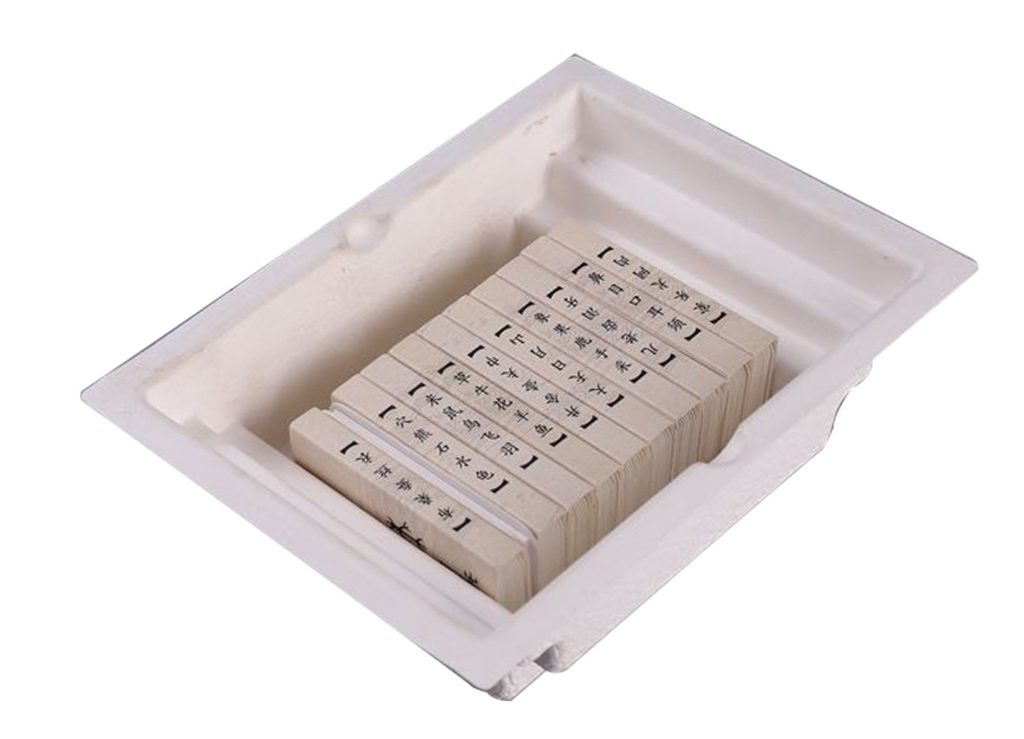
Use Case: Packaging for artwork, collectibles, cultural products, and creative designs.
Why It Works:
- Unique form factors: Molded fiber can be shaped into creative and artistic packaging that echoes the character of cultural or artistic products.
- Sustainability alignment: Eco‑conscious consumers and collectors often prefer packaging that reflects sustainable values.
- Protective and decorative: Molded fiber combines aesthetic elegance with protective utility.
For cultural and creative industries, packaging often becomes an extension of the product itself. Whether it’s limited‑edition artwork, handcrafted cultural goods, or collectible items, molded fiber allows designers to integrate form and function, delivering packaging that protects products while telling a brand story.
6. Clothing & Fashion Industry
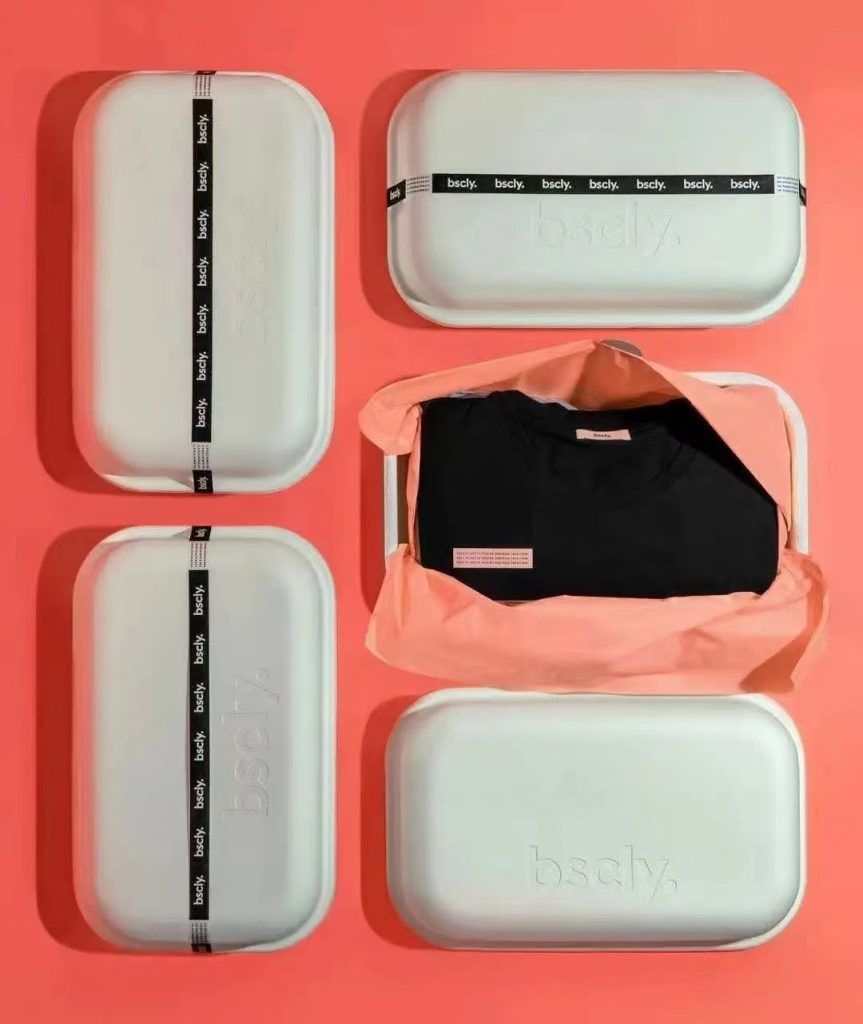
Use Case: Packaging for apparel, accessories, and fashion goods.
Why It Works:
- Enhanced brand experience: Molded fiber can be designed with compartments and custom shapes for accessories like belts, scarves, or luxury apparel.
- Sustainable positioning: Fashion brands increasingly prioritize sustainability across their supply chain, including packaging.
- Reusable and recyclable: Molded fiber packaging reduces reliance on single‑use plastic bags and wraps.
Fashion and apparel packaging are not just about protecting textiles — it’s about brand experience. Molded fiber packaging solutions offer customizable inserts that can elegantly present fashion pieces and accessories, aligning with premium brand narratives while reducing environmental footprint.
7. High‑End Jewelry Industry
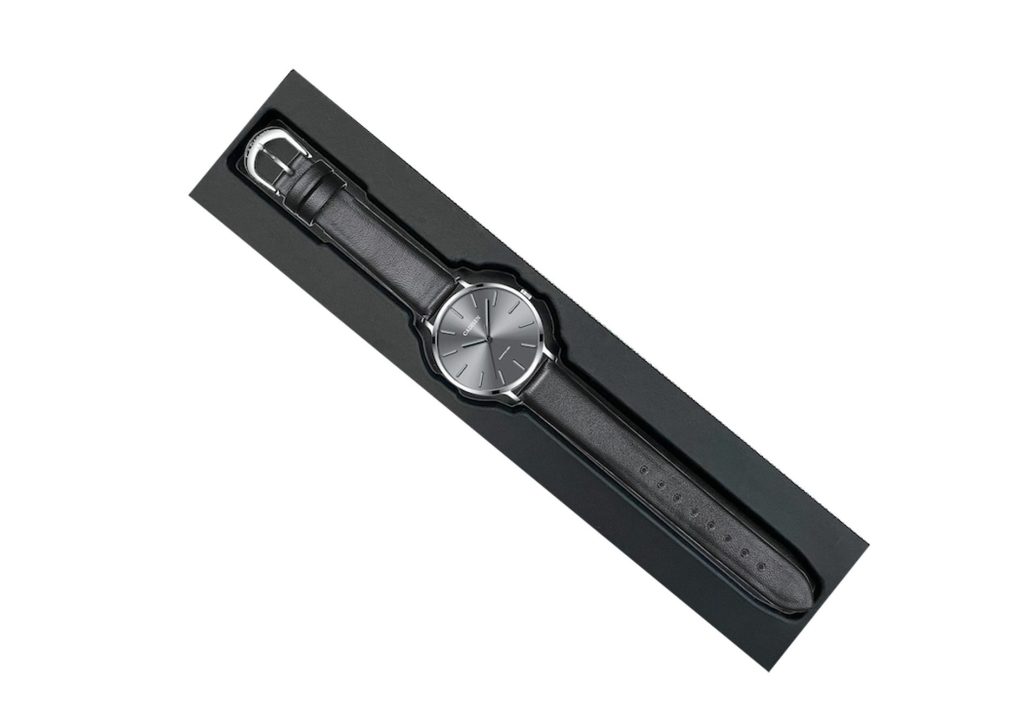
Use Case: Packaging for jewelry — rings, watches, necklaces, and other fine pieces.
Why It Works:
- Luxury feel: Molded fiber can support elegant shapes and soft inserts to enhance perceived value.
- Product protection: Delicate jewelry requires packaging that holds items securely without scratches or damage.
- Eco‑friendly appeal: A sustainable packaging story resonates with conscious luxury buyers.
In the jewelry sector, packaging is a critical part of the customer experience. Molded fiber allows luxury brands to convey a high‑end feel while backing their sustainability claims. Custom cavities and inserts ensure each piece is presented beautifully and received safely.
8. Pharmaceutical & Healthcare Industry
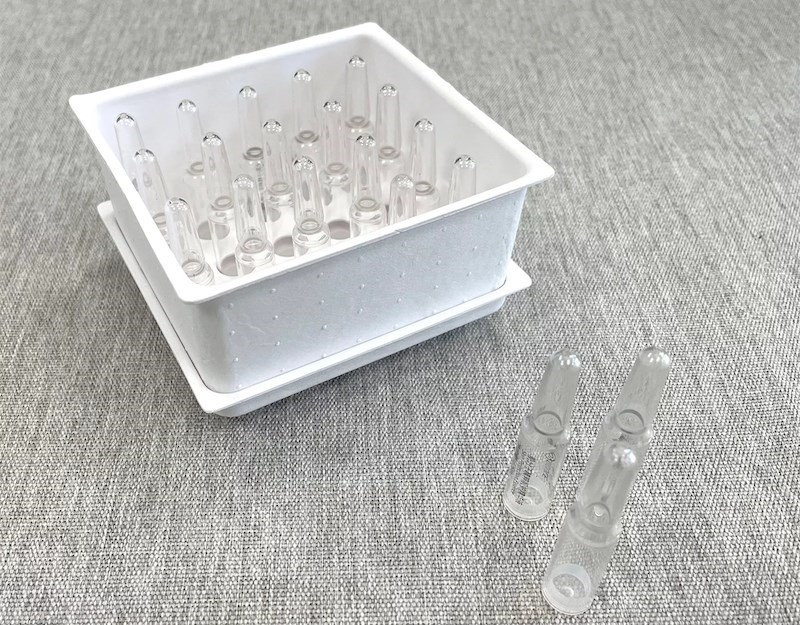
Use Case: Protective packaging for medical devices, health supplements, and pharmaceutical products.
Why It Works:
- Safety and protection: Molded fiber provides cushioning for delicate medical devices and vials.
- Regulatory compliance: Packaging solutions can be developed to comply with hygiene and safety standards.
- Sustainable alternative: Reduces dependency on plastic clamshells and foam inserts common in medical packaging.
Although pharmaceutical and healthcare packaging often require specialized solutions, molded fiber can be engineered for protective and protective applications that meet industry standards, especially for non‑sterile and secondary packaging needs.
Market Growth and Sustainability Trends
Molded fiber packaging is no longer a niche solution—it’s quickly becoming one of the most adaptable and widely used sustainable materials across various sectors. The potential of molded fiber extends far beyond a few select industries like foodservice, electronics, and cosmetics; it’s a flexible packaging solution that can meet the needs of any industry where packaging is essential.
The versatility of molded fiber allows it to be customized for an endless range of applications. Whether it’s used for fragile electronics, luxury goods, food packaging, or even creative and cultural products, molded fiber can be applied wherever packaging plays a role. It’s not limited to specific sectors; rather, it is a solution for any brand aiming to reduce its environmental footprint while maintaining high standards of protection, presentation, and functionality.
As more industries embrace sustainability and seek to move away from single-use plastics, molded fiber packaging is growing as a go-to choice. Thanks to its biodegradable and recyclable properties, businesses are turning to molded fiber to align with environmental goals and meet growing consumer demand for sustainable products. This flexibility and broad applicability are driving its increasing adoption across the global packaging market.
How Molded Fiber Packaging Works
If you want to orient readers toward deeper technical insights, you can link to some of your comprehensive guides:
- What Molded Fiber / Molded Pulp Packaging Is & How It Works — a complete overview of the molding process, materials, and benefits. (internal link to https://www.innaturepack.com/comprehensive-guide-to-molded-pulp-packaging/)
- Custom Molded Pulp Packaging Cost & Process Guide — explains cost factors and how customization affects pricing. (internal link to https://www.innaturepack.com/custom-molded-pulp-packaging-cost-guide-comparing-materials-processes-and-applications/)
- Learn About the Pulp Molding Production Process — step‑by‑step production insights. (internal link to https://www.innaturepack.com/learn-about-the-pulp-molding-production-process/)
- Materials & Mold Design Essentials — raw materials, mold engineering, and design considerations. (internal link to https://www.innaturepack.com/pulp-molding-and-raw-materials/ and https://www.innaturepack.com/about-molds-for-custom-pulp-packaging/)
Conclusion
Molded fiber packaging is an increasingly strategic choice for brands across industries ranging from electronics and cosmetics to food, furniture, fashion, and healthcare. It combines sustainable credentials with functional performance, helping businesses reduce plastic waste, meet regulatory requirements, and elevate consumer perception.
As sustainability becomes a core brand differentiator, molded fiber packaging is not just an environmentally responsible choice — it’s a competitive advantage.
Ready to explore molded fiber packaging for your industry?
Contact us to discuss customized solutions tailored to your products and sustainability goals.