
The global appetite for fresh berries has never been higher. From upscale supermarkets in Europe to bustling wholesale markets in North America, consumers are willing to pay a premium for plump blueberries, glossy blackberries, and perfectly ripe raspberries year-round. For commercial fruit growers and fresh produce exporters, this booming international demand represents a massive market opportunity.
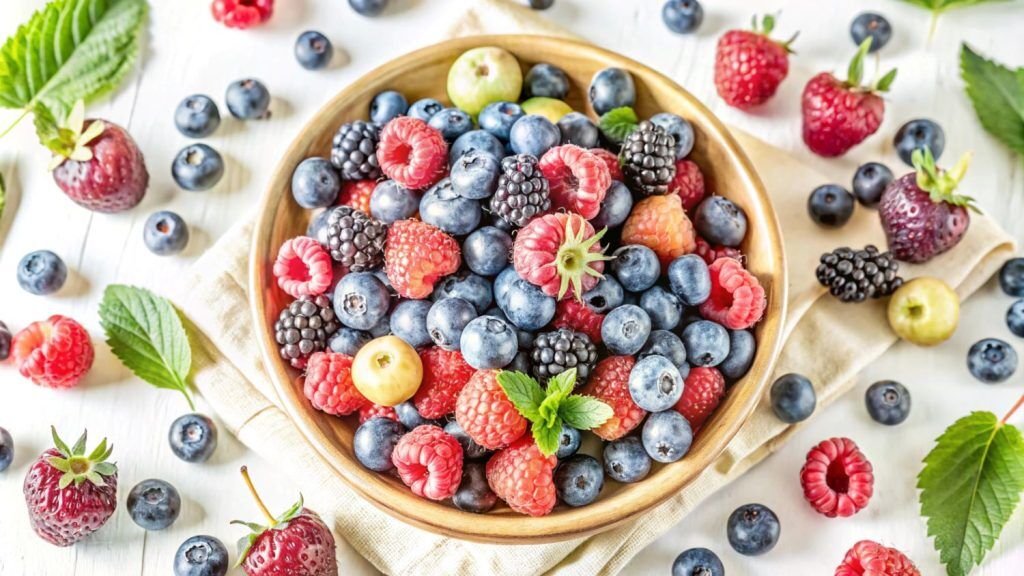
However, getting these delicate, soft fruits from the farm to an overseas destination thousands of miles away is a logistical tightrope walk. Unlike hardy commodities like apples, citrus, or potatoes, soft fruits have no hard outer shell to protect them. They are highly sensitive to pressure, friction, temperature shifts, and humidity imbalances.
During a typical 15-to-30-day cold chain transit inside a refrigerated ocean container, a lot can go wrong. If your packaging strategy fails, you don’t just lose a few boxes—you risk losing entire pallets to mold, bruising, and juice leakage, severely damaging your bottom line and your relationships with international retailers.
So, what is the best way to package blueberries and soft fruits for long-distance shipping? Achieving a zero-breakage, mold-free arrival doesn’t require over-engineered, overly complex packaging gimmicks. Instead, it requires choosing a material that natively regulates humidity and absorbs impact. When you look at the physical and economic realities of international fruit logistics, molded plant fiber emerges as the undisputed champion.
The Hidden Enemies of Soft Fruit Shipping: Condensation and Friction
To solve the berry shipping puzzle, we first need to understand exactly what happens to the fruit inside a refrigerated shipping container (commonly known as a reefer) during cross-border transit. Two main culprits destroy fresh berries during long-haul travel: moisture trapping and transit vibration.
1. The “Greenhouse Effect” in Plastic Punnets
For decades, traditional clear plastic clamshells (PET or PP plastic punnets) have been the industry default for berry packaging. While they offer high visibility on retail shelves, they are disastrous for long-distance cold chain logistics.
Refrigerated containers are brilliant at maintaining a set temperature, but they are subject to minor temperature fluctuations during defrost cycles, loading transitions, and customs inspections. When the temperature inside the container shifts even slightly, the air inside a sealed plastic punnet hits its dew point.
Because plastic is completely non-porous, this moisture has nowhere to go. It condenses on the inner walls of the plastic box, creating a literal “greenhouse effect.” The blueberries end up sitting in micro-puddles of water. This stagnant, high-humidity environment is the absolute perfect breeding ground for fungal spores, leading to rapid mold development, rot, and fuzzy gray decay before the ship even docks at the destination port.
2. Vibration and Micro-Bruising
The second enemy is mechanical shock. Whether your fruit is traveling by truck over bumpy rural roads or enduring the constant, low-frequency vibrations of an ocean vessel, it is subjected to non-stop movement.
Because soft fruits have incredibly thin, delicate skins, constant friction causes micro-tears. Once a berry’s skin is ruptured, it begins to leak juice. In a tightly packed plastic container, that single leaking berry will bleed onto surrounding fruits, accelerating a chain reaction of spoilage that can liquefy an entire punnet within days.
Why Molded Fiber Naturally Outperforms Plastic in Humidity Control
This is where the physical properties of molded plant fiber completely change the game for fresh produce exporters. Molded fiber doesn’t just hold the fruit; it actively works to preserve it.
Natural Breathability & Micro-Porosity

Molded pulp packaging is inherently porous. At a microscopic level, it behaves simultaneously like a natural sponge and a breathable skin. When temperature fluctuations occur inside a reefer container and condensation threatens to form, molded fiber automatically absorbs the excess ambient moisture and wicks it away from the surface of the fruit.
By eliminating the free-standing water droplets that plastic punnets trap, molded fiber keeps the environment dry and well-regulated. This drastically stifles the growth of mold and mildew.
Preventing the Sequential Spread of Rot
In the fruit export business, a realistic goal isn’t always achieving absolute perfection; it’s about containment. If a single berry happens to pass through quality control with a minor defect and begins to spoil mid-transit, molded fiber prevents that isolated issue from becoming a commercial disaster.
Because the material constantly wicks away surface moisture and breathes, the compromised berry dries out rather than liquefying. It prevents the rot from spreading sequentially to neighboring berries, successfully isolating the damage to a single piece of fruit rather than ruining the entire wholesale unit.
Material vs. Structure: Where Does the Real Cushioning Come From?
There is a common misconception in the packaging industry that protecting fragile items requires highly complex geometric structures, intricate internal dividers, or rigid external ribbing. When it comes to soft agricultural products, the truth is simpler: The protection comes from the material itself, not the complexity of the design.
The Physics of Plant Fiber Resilience
Consider what happens when a shipping box experiences a sudden drop or a sharp jolt during transit. Traditional hard plastic clamshells are rigid. On a microscopic level, a plastic wall behaves like a miniature brick wall. When a delicate blueberry is thrown against a hard plastic barrier by transit vibrations, the plastic doesn’t absorb the force—it bounces the shock right back into the fruit, causing instant internal bruising.
Molded plant fiber is completely different. Whether it is made from recycled paper pulp or sugarcane bagasse, it consists of a three-dimensional interwoven web of natural cellulose fibers. This interwoven mesh structure possesses a natural, built-in elasticity.
When an impact occurs, the fiber walls undergo micro-flexing. The material acts like thousands of tiny, microscopic shock absorbers, dampening the kinetic energy and safely dissipating the impact away from the fruit’s delicate skin.
Standard Molds vs. Custom Molds: Finding the Right Fit for Your Supply Chain
Because the material itself does the heavy lifting when it comes to shock absorption, exporters do not always need to reinvent the wheel when designing their packaging.
- When Existing Molds Are Enough: If your commercial agricultural operation does not have rigid dimension restrictions or unique retail branding shapes to conform to, our existing, ready-made standard fruit tray molds are fully capable of doing the job. By utilizing standard ready-made molds, you gain the full protective benefits of plant fiber resilience while completely eliminating upfront tooling costs and drastically reducing production lead times. It allows you to scale up your shipping operations almost instantly.
- When to Invest in Custom Molds: On the other hand, if your brand has a highly specific retail presence, custom tooling is an incredibly smart investment. If your berries must fit perfectly into proprietary automated denesting and packaging lines, fill specific dimensions of custom retail master cartons, or feature an embossed brand logo directly on the bottom of the tray, custom-engineered molds are the absolute best route to guarantee flawless operational integration and premium market differentiation.
The Retail-Ready Upgrade: Wet-Press Sugarcane Pulp for Premium Brands
To maximize efficiency, smart exporters match their packaging material directly to their target market tier:
For back-of-house wholesale distribution, traditional recycled paper pulp trays are an outstanding, highly economical choice. They provide exceptional structural cushioning at a lower price point, making them perfect for large-scale agricultural transit where functional utility is the primary goal.
However, if your blueberries are destined for high-end boutique supermarkets where the consumer picks the product directly from the shelf, your packaging needs to communicate premium quality. For these high-end lines, custom wet-press sugarcane bagasse trays are the gold standard.

Our high-precision wet-press manufacturing technology compresses the fibers under immense heat and metal molds, creating an ultra-clean, smooth, off-white finish that radiates luxury. Furthermore, it offers a perfectly non-abrasive, silky tactile surface that completely eliminates friction-induced skin scratching while providing 100% certified food-grade safety compliance for direct consumer contact.
The Economic and Compliance Math for Fresh Produce Exporters
Switching your supply chain from traditional plastic to molded plant fiber isn’t just a feel-good environmental gesture; it is a calculated, highly profitable business decision.
1. Slashing Fruit Loss Rates
In international fruit trade, profit margins are entirely dictated by arrival quality. If a shipment arrives with an 8% to 12% spoilage rate due to mold and bruising, the importer will issue hefty financial claims, force a price markdown, or reject the lot entirely.
By utilizing the superior humidity control and natural shock-absorption of molded pulp, commercial exporters frequently see their arrival fruit loss rates drop to under 2%. The financial savings from preserved inventory easily offset any transition costs, flowing directly back into your net profits.
2. Navigating Global Green Regulations and Plastic Taxes
The regulatory landscape for packaging is changing rapidly. Supermarkets across Europe, the United Kingdom, and several states in the US are aggressively executing mandates to completely phase out single-use plastic packaging in the fresh produce aisle.
Countries are introducing strict plastic packaging taxes on non-recyclable materials. By proactively switching to 100% biodegradable, compostable, and plastic-free molded fiber fruit trays, exporters completely bypass these financial penalties, ensure frictionless customs clearance, and secure long-term preferred vendor status with major international supermarket chains.
Conclusion: Securing Next Season’s Harvest
Protecting fragile soft fruit during long-distance international shipping requires a delicate balance of constant moisture regulation and gentle impact absorption—qualities that rigid, non-porous plastic simply cannot deliver. By aligning your logistics strategy with the laws of physics and the natural benefits of plant fiber, you protect your fruit, your profits, and your brand reputation.
Whether your commercial operation requires a highly cost-effective, bulk-transit solution using our rugged, ready-made recycled paper molds, or you want to elevate your brand on the global stage with a bespoke, ultra-smooth custom wet-press sugarcane bagasse retail tray, InNature Pack has the engineering expertise and manufacturing scale to secure your next harvest.
Don’t let transit damage eat away at your hard-earned margins this season. Contact the packaging engineers at InNature Pack today to discuss your export routes, request a free technical consultation, and order a customized sample kit for your next shipping trial.